As an Amazon Associate this site earns from qualifying purchases.
Families researching act plus restorative serum pediatric oncology gentle regrowth are usually navigating one of the most emotional chapters of childhood treatment: the slow return of soft, fragile new hair after chemotherapy ends. This guide explains what to look for in ultra-gentle treatment oils and serums that some parents discuss with their child's oncology team during the regrowth window, what ingredients to avoid on tender scalps, and how certain luxury hair serums marketed to adults may (with medical clearance) be adapted for older children and teens. Always consult your child's pediatric oncologist before applying anything to the scalp.
Important medical disclaimer before you buy anything
This is not medical advice. Pediatric oncology patients have specific contraindications around essential oils, fragrance, retinoids, salicylates, and certain peptides that can vary by chemotherapy protocol, neutrophil counts, and skin barrier status. A search for act plus restorative serum pediatric oncology gentle regrowth often leads families to wellness products that are not formulated, tested, or labeled for children in active or recently completed cancer treatment. Before you apply any oil, serum, or scalp treatment to a child who has finished or is still receiving chemotherapy, radiation, or stem cell therapy, share the full ingredient list with the treating oncology team, the dermatology consult service if available, and the bone marrow transplant team if relevant. Patch testing on a non-scalp area is also wise because regrowing skin and follicles are unusually reactive.
Finding the right act plus restorative serum pediatric oncology gentle regrowth comes down to matching the features to how you will actually use it.
- Named the #1
- Boosts shine by up to 118%*
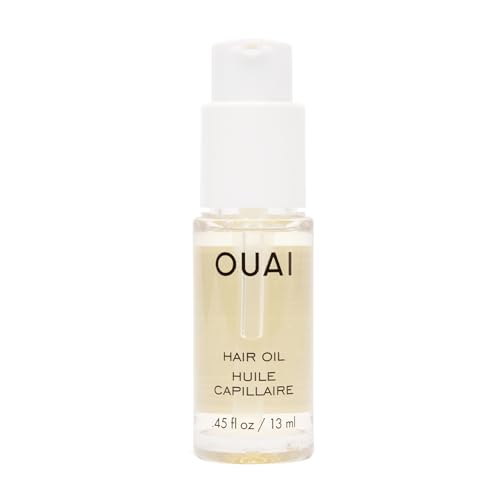
- Your Fast Fix For Healthy Hair - A multitasking oil and heat protectant for hair, for every occasion. It protects from color fading and heat/UV damage, smooths split ends and
- Nutrient-Rich - Formulated with Ama oil to keep hair strong and provide heat protection against humidity and Baobab seed oil to help hydrate for a healthy, shiny finish
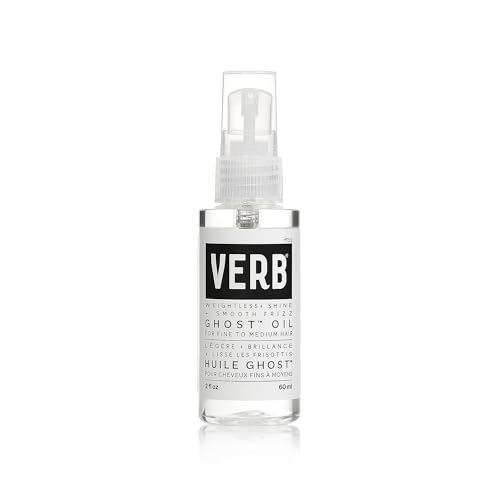
- GHOST WEIGHTLESS OIL: An everyday weightless hair oil that smooths frizz, tames flyaways and boosts hair's natural shine without weighing hair down. Ideal for fine to
- PROVEN RESULTS: Clinically proven to boost shine 118%, reduce frizz 70%, protect against heat up to 450°F / 232°C*, and leave hair 9.5x stronger* *proven results in third-party
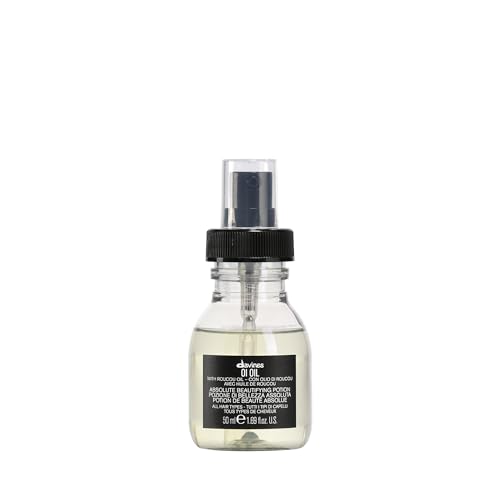
- This product is non-sealed
- Fights frizz for sleek, smooth hair
What "gentle regrowth" actually means after pediatric chemotherapy
After cytotoxic therapy ends, hair follicles re-enter the anagen phase over a span of roughly three to six months, sometimes longer for high-dose protocols and after total body irradiation. The new hair shaft is genuinely different from pre-treatment hair: the cuticle is thinner, pigment can be temporarily altered (the well-documented "chemo curl"), and the scalp itself is often dry, sensitive, and prone to irritation. A truly gentle approach centers on barrier protection rather than stimulation. Stimulating ingredients such as caffeine, niacinamide-heavy serums, peppermint, rosemary essential oil, minoxidil analogues, and growth-marketed peptides are generally not appropriate without explicit oncology clearance.
Comparison: gentle luxury treatment oils worth discussing with the oncology team
| Product | Fragrance | Key ingredients | Why it may suit gentle regrowth |
|---|---|---|---|
| Rahua Legendary Amazon Hair Oil | Light, plant-derived | Ungurahua, morete, sacha inchi oils | Short, food-grade plant oil list; no synthetic fragrance |
| Davines OI Oil | Roucou-based, mild | Roucou oil, sunflower seed extract | Weightless finish, single-step application |
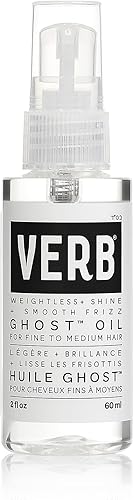
| VERB Ghost Oil | Very low | Moringa, bamboo, sunflower | Sulfate, paraben, gluten free; designed for fine hair |
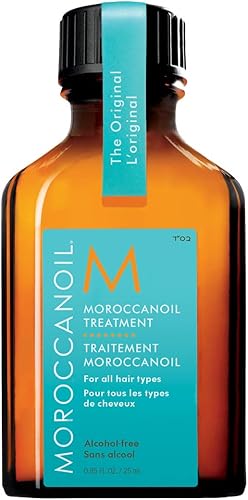
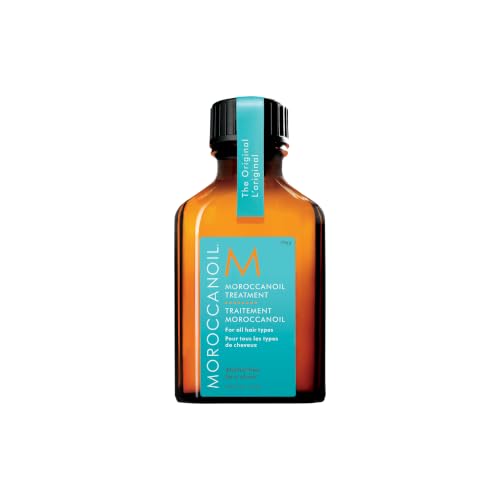
| Moroccanoil Treatment | Signature scent (notable) | Argan oil, linseed extract | Widely available, well-studied cosmetic safety record |
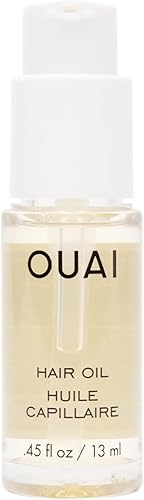
| OUAI Hair Oil Travel Size | Floral (notable) | African galanga, ama, Asian borage | Small format reduces waste during slow regrowth phase |
Instead, the goal in the early months is simple: keep the scalp soft, prevent micro-cracking, reduce friction from pillows and hats, and let the follicle do its own work. That is why many child-life specialists and pediatric oncology nurses suggest the plainest possible plant oils (after team approval) rather than complex multi-active formulas.
Ingredients to avoid on a pediatric oncology scalp
- Synthetic fragrance and added parfum (a frequent irritant on radiated skin)
- Essential oils marketed as "growth-boosting" — rosemary, peppermint, tea tree, clove, cinnamon
- Salicylic acid, glycolic acid, lactic acid, and other exfoliants
- Caffeine, adenosine, capsaicin and other vasodilators
- Minoxidil or any product that mimics its mechanism
- Sulfates, drying alcohols (denat, isopropyl), and high-percentage silicones on the scalp itself
- Anything with "peptide growth complex," stem-cell-derived actives, or undefined botanical blends
What to look for instead
Short ingredient lists. Fragrance-free or single-floral. Cold-pressed plant oils such as argan, jojoba, sunflower, camellia, and shea-derived emollients. A pH close to skin neutral. A non-greasy finish so a child does not feel sticky on a pillow. And — critically — a brand willing to publish a full ingredient deck rather than a proprietary blend list. The products below are luxury serums and treatment oils that some families have been cleared to use on older pediatric and teen patients only after their oncology team reviewed the ingredient list. They are not pediatric medical devices and they are not labeled for cancer care.
Rahua Legendary Amazon Hair Oil
Rahua's flagship oil is built around three cold-pressed Amazonian seed oils — ungurahua, morete, and sacha inchi — with a notably short ingredient list and no synthetic fragrance. For families looking at an act plus restorative serum pediatric oncology gentle regrowth alternative that prioritizes ingredient transparency, this is one of the cleanest luxury picks on the market. Use a single drop warmed between palms and press (do not rub) into the lengths of regrowing hair rather than the scalp. Rahua Legendary Amazon Hair Oil.
Davines OI Oil
OI Oil from Davines is a roucou-based potion known for an exceptionally weightless feel. It contains a single fragrance complex (which is why oncology clearance matters), but otherwise relies on antioxidant-rich plant oils rather than peptide blends or growth-marketed actives. The texture is so light that even the wispy, baby-fine first regrowth does not feel weighed down — a meaningful comfort factor for teens who are self-conscious during the first few months. Davines OI Oil.
VERB Ghost Oil
VERB Ghost Oil is one of the lowest-fragrance luxury serums in this category and was originally engineered for fine, lifeless hair — a profile that mirrors much post-chemotherapy regrowth. It is sulfate-free, paraben-free, and gluten-free, with moringa and bamboo extract as the headline ingredients. It is also one of the more accessibly priced "clean prestige" oils, which matters when a family is already managing significant treatment costs. VERB Ghost Oil.
Moroccanoil Treatment
The argan-based Moroccanoil Treatment is included here because many pediatric dermatology consults already know the formula and can quickly assess it. The signature scent is the main reason it requires explicit team approval — some children in or just out of treatment remain hypersensitive to fragrance. When cleared, a single drop on the mid-lengths can dramatically reduce the friction snags that cause first-regrowth breakage. Moroccanoil Treatment Hair Oil.
OUAI Hair Oil (Travel Size)
The 0.45 oz travel size of OUAI Hair Oil makes sense for the regrowth phase specifically: a child's new hair is short, you need very little product, and a small bottle reduces the risk of oxidation before you finish it. It is paraben-, phthalate-, and sulfate-free, and the formula skips the stimulating actives that disqualify so many growth-marketed serums. OUAI Hair Oil Travel Size.
How to apply any oil to a regrowing pediatric scalp (after medical clearance)
Once your oncology team has reviewed the ingredient list and signed off, the application itself should remain almost ritualistically minimal. Wash hands thoroughly. Place a single drop — half what you would use for an adult — onto a clean fingertip. Warm it between two fingers. Press it onto the ends of the new hair, never massaged into the scalp until the dermatology team confirms the barrier has fully recovered. Avoid combing while wet; use a wide-tooth comb only on dry hair. Replace cotton pillowcases with satin or bamboo to reduce overnight friction. Keep heat styling off the table entirely during the first six months.
For more on technique, our guide to applying luxury hair treatment oils perfectly covers drop counts, warming, and distribution in detail — adapt the volume downward for a child.
Why "luxury" can actually matter in this context
Luxury treatment oils are not inherently safer than drugstore options, but the higher-end category does tend to publish complete ingredient lists, source single-origin oils, and skip the cheap fragrance blends that make budget products risky for sensitive skin. That transparency is exactly what an oncology pharmacist or dermatology consult needs to give a yes/no answer in a single appointment. If you want to understand the broader category before choosing, our overview of premium treatment oils walks through what justifies the price tag, and the difference between hair serums and treatment oils piece explains why an oil — not a serum — is usually the gentler starting point.
What to do if your child has an obvious sensitivity
Stop using the product immediately, rinse with lukewarm water and a fragrance-free cleanser that has been cleared by the team, and document the reaction (photo, time, ingredient list) for the next clinic visit. Reactions on regrowth-stage scalps can present as flat erythema, tiny raised bumps, or simply increased shedding of the new hairs. None of these are normal for a properly tolerated formula, and continuing to apply through a reaction can compromise the regrowth window.
Affiliate transparency
The links above are Amazon affiliate links. We earn a small commission if you purchase, at no extra cost to you. We have written this article to be useful to families even if no purchase is ever made, and we will not recommend a product simply because it pays more — see our affiliate disclosure for the full policy.
Frequently Asked Questions
Is Act+ Restorative Serum actually safe for pediatric oncology patients?
No widely retailed serum is specifically tested or labeled as safe for children in or just out of cancer treatment, and that includes products marketed under restorative or regrowth language. Whether any particular formula is appropriate for your child is a medical question, not a marketing question, and only the treating oncology team — ideally with a dermatology consult — can answer it for your child's specific protocol and skin status.
When can hair oils be reintroduced after chemotherapy ends?
Many pediatric teams suggest waiting until the scalp barrier has visibly normalized — no flaking, no redness, no tenderness — and the child's blood counts are stable. That is often three to six months post-treatment, but the timeline varies widely. Always defer to the clinical team rather than a fixed calendar.
Are essential oils ever appropriate during pediatric regrowth?
Almost never in the early window. Rosemary, peppermint, tea tree, lavender, and citrus essential oils can all sensitize compromised skin and some interact with chemotherapy-related photosensitivity. Even when oncology clears "a few drops," the dose tolerance of a child is dramatically lower than the dose recommended on adult product labels.
What about scalp serums marketed for thickness or density?
Most thickness-marketed scalp serums rely on caffeine, peptide complexes, niacinamide, or biotin-style cocktails. None of these are appropriate for a recently treated pediatric scalp without explicit medical clearance, because they target follicle signaling that has just been disrupted by cytotoxic therapy. A simple emollient oil applied to the lengths is almost always the safer starting point.
How do I keep new "chemo curls" from breaking?
Reduce mechanical friction. Sleep on a satin or bamboo pillowcase, skip elastics, avoid daily brushing, and detangle dry rather than wet. A single tiny drop of a cleared oil on the very ends — not the roots — can dramatically cut breakage on the fragile new shaft. Our anti-frizz treatment oils guide covers low-friction technique adaptable to fine, fragile hair.
Is there a fragrance-free luxury option specifically?
VERB Ghost Oil is among the lowest-fragrance prestige options in this guide, and Rahua's plant-derived scent is also notably mild. If your oncology team requires a strictly unscented product, share the full ingredient deck of each candidate with them and ask which they prefer; many teams will accept the lowest-fragrance option once the rest of the formula is reviewed.
Where should I read more before deciding?
Two pieces on this site that are particularly useful for this decision are our breakdown of luxury hair serums for damaged hair (which discusses gentleness benchmarks) and the benefits of using treatment oils, which explains why a simple oil often outperforms a complex serum on compromised hair. Bring printouts to the next clinic visit — most oncology teams appreciate prepared families.
Final thought
The instinct to do something — anything — to support a child's hair coming back is one of the most human responses to the end of cancer treatment. The kindest thing a parent or caregiver can do at this stage is almost paradoxical: less product, simpler formulas, more medical input, and patience. A cleared single drop of a transparent plant oil, used sparingly on the ends, supports the gentle regrowth window better than any marketing-led restorative serum could. Talk to the team. Then choose simply.
Key Takeaways
- Choosing the right act plus restorative serum pediatric oncology gentle regrowth means matching the key features to your specific needs and budget
- Read real customer reviews and check the return policy before you commit
- Also covers: act restorative serum childhood cancer regrowth
- Also covers: pediatric chemo hair regrowth gentle serum
- Also covers: act plus serum kids post chemotherapy hair
- Compare value across models — the priciest option is not always the best fit