As an Amazon Associate this site earns from qualifying purchases.
If you anchor the morning desk, the noon update, or the 6 o'clock cut-in, your hair has roughly forty-five minutes to look like it took two hours. Drybar Liquid Glass for news anchors blowouts has quietly become the green-room secret behind that smooth, mirror-finish look you see between commercial breaks. The serum is engineered to layer over damp hair before round-brushing, sealing the cuticle so studio lights read shine instead of frizz, halo flyaways, or dull patches. Below we break down why broadcast pros reach for it, how to use it in a 2026 daily prep routine, and which luxury alternatives hold up under HD cameras and HVAC vents.
Why news anchors care about blowout prep more than almost anyone
Television lighting is brutal. 4K cameras pick up every halo flyaway near the part, every dry patch behind the ear, every smudge of dullness where the round brush released too early. Add in the fact that most studios are dehumidified to protect equipment, and you have a recipe for hair that looks great at 6:55 a.m. and tired by the second segment. Anchors also wash and style daily because oils transfer to in-ear monitors, lavalier mics, and shirt collars. That repetition is what makes a smoothing serum like Drybar Liquid Glass so attractive: it gives the cuticle a protective shell that survives heat tools, repeated brushing, and a long shift under hot lights.
- A highly concentrated, weightless styling oil for every hair type. Just 2-3 drops boost shine and softness instantly, strengthen to reduce breakage, and control frizz and flyaways
- KEY BENEFITS Instantly boosts shine, color vibrancy, and softness Tames frizz and flyaways 450ºF/232ºC heat protection
- Named the #1
- Boosts shine by up to 118%*
- Leaves hair feeling deeply conditioned
- Provides 1.5x shine and 1.25x softness* vs untreated
- Dual-Action Frizz Control System: The perfect hair oil for frizzy hair, it targets frizz at two levels by reversing damage within the hair fiber and smoothing the cuticle surface
- Biotech-Engineered Oil for Hair: Clinically proven to repair damaged hair*, our patented K18PEPTIDE formula works at the innermost layer of hair to strengthen and reverse damage
- Your Fast Fix For Healthy Hair - A multitasking oil and heat protectant for hair, for every occasion. It protects from color fading and heat/UV damage, smooths split ends and
- Nutrient-Rich - Formulated with Ama oil to keep hair strong and provide heat protection against humidity and Baobab seed oil to help hydrate for a healthy, shiny finish
Comparison: luxury alternatives anchors actually keep in the kit
Most makeup-room shelves we've peeked at carry two or three serums, not just one. Here is how the most reach-for options stack up against the Drybar primer for daily blowout prep.
| Product | Best For | Heat Protection | Finish on Camera |
|---|---|---|---|
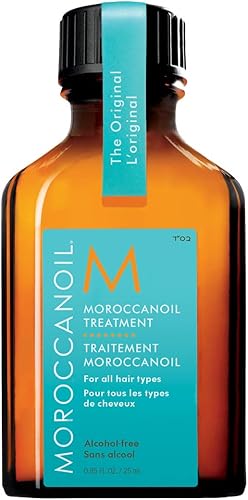
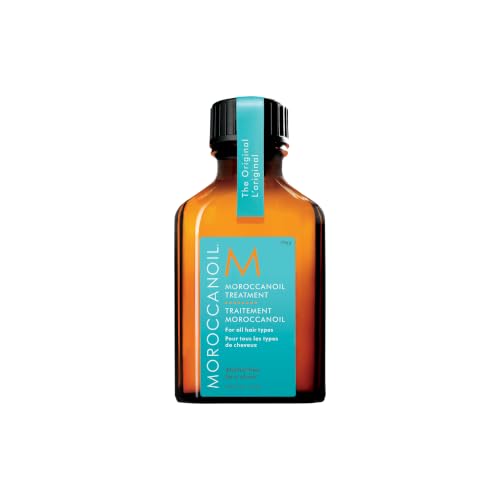
| Moroccanoil Treatment | Medium-to-thick hair, mid-shaft to ends | Up to 230°C with argan-based film | Warm, lit-from-within shine |
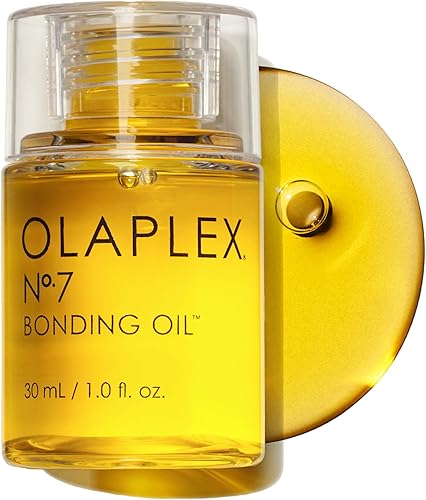
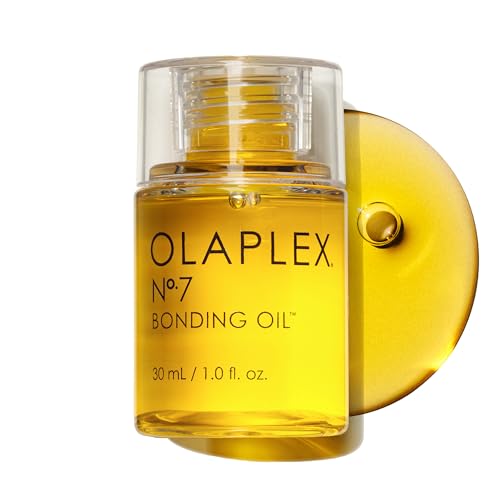
| Olaplex No. 7 Bonding Oil | Color-treated or chemically processed hair | Up to 230°C, bond-supportive | High-gloss, polished finish |
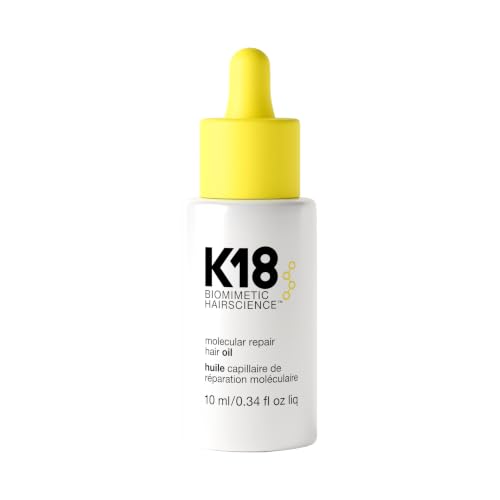
| K18 Molecular Repair Hair Oil | Bleached, damaged, or breakage-prone strands | Heat protection plus peptide repair | Sleek, low-static surface |
| Kerastase Elixir Ultime | Dry, dense hair that drinks oil | Heat-friendly with camellia oil | Rich, satin gloss |
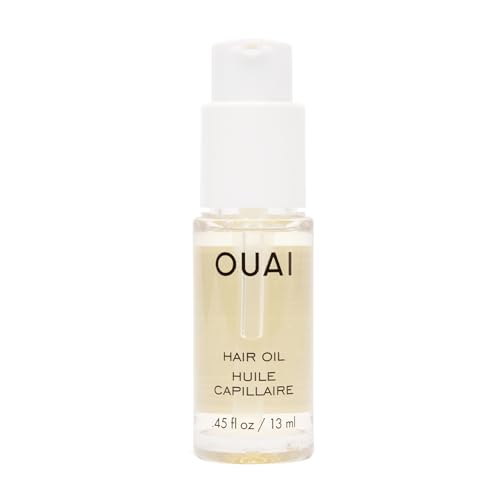
| OUAI Hair Oil | Fine to medium hair that goes flat | Heat protectant, lightweight | Soft, natural shine |
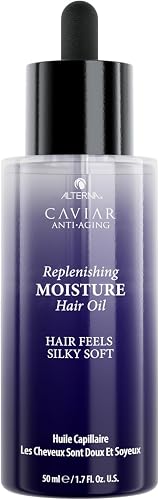
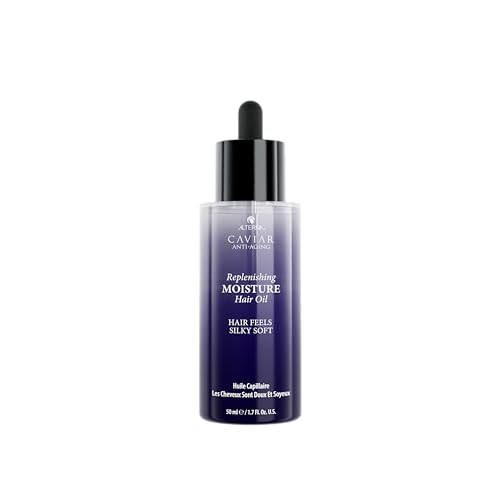
| Alterna Caviar Replenishing Moisture Hair Oil | Mature or aging hair, frizz-prone | Heat protection plus frizz control | Glossy, weightless finish |
Drybar Liquid Glass for news anchors blowouts is positioned as a pre-blowout primer, meaning you apply it to towel-damp hair before any heat hits the strand. The silicone-and-polymer matrix smooths the cuticle as the blow dryer pushes water out, locking in the round-brushed shape. For broadcast professionals, that translates to a finish that reads sleek on camera and stays put through wardrobe changes, breaking news, and the inevitable mid-show humidity surge when a producer opens the studio door.
What to look for in a broadcast-grade smoothing serum
Whether you stick with the Drybar pick or rotate in another luxury option, the chemistry that matters for on-air hair is consistent: a thermal protectant rated to at least 230°C, a film-forming smoother (often a dimethicone copolyol or amodimethicone), a humectant or oil for slip, and ideally a peptide or bond-supportive ingredient because daily heat is genuinely punishing. If you want a deeper dive into how those formulas differ, our premium treatment oils buyers guide walks through ingredient hierarchies and what each one actually does on the strand.
Top luxury serums to layer with (or rotate against) Drybar Liquid Glass
Moroccanoil Treatment — the green-room workhorse
If you only kept one bottle in your station drawer, this would be it. Moroccanoil Treatment is the original argan-based pre-blowout oil, and it remains the most universally photogenic finish for medium-to-thick anchor hair. A dime-sized amount worked through damp lengths before round-brushing gives a warm, dimensional shine that flatters studio key lights without screaming "product." Anchors with denser hair often layer it under a smoothing primer like Drybar Liquid Glass for news anchors blowouts: the oil hydrates and softens, the primer locks the cuticle. For a deeper teardown of the formula, see our Moroccanoil Treatment review. Moroccanoil Treatment Hair Oil.
Olaplex No. 7 Bonding Oil — for color-treated on-air hair
Broadcast hair is almost always color-treated because gray on camera reads older than it does in person. That means most anchors are dealing with the cumulative dryness of toner, gloss, and root touch-ups every four to six weeks. Olaplex No. 7 is engineered for exactly that situation. It supports the bond network while smoothing the cuticle, and the heat protection holds up to 230°C, which matters when you're round-brushing six days a week. Two to three drops on mid-lengths and ends before drying is enough; more than that on fine hair will read greasy under the lights. Our full Olaplex No. 7 Bonding Oil review covers application nuances for different hair densities. Olaplex No.7 Bonding Oil.
K18 Molecular Repair Hair Oil — for bleached or breakage-prone hair
Highlights and balayage are everywhere on the anchor desk, and they take a toll. K18's hair oil pairs a 24-hour frizz seal with peptide repair, which is useful when you're putting damp, freshly washed hair under a 230°C round brush every weekday. The smaller travel size lives easily in a makeup kit; the larger size belongs on the bathroom counter. Anchors who use the Drybar primer often follow with a finishing pass of K18 on the ends after the blowout for extra polish under HD. K18 Molecular Repair Hair Oil.
Kerastase Elixir Ultime — for dense hair that needs more weight
If your hair eats oil and still looks parched on camera, the Elixir Ultime delivers a richer payoff than most primers. The camellia oil base gives a satin gloss that flatters darker hair colors particularly well, and the refillable bottle makes this a reasonable repeat purchase for daily users. Use it before drying for hydration, then layer Drybar Liquid Glass on top if you need extra frizz lockdown for a humid set. Kerastase Elixir Ultime Refillable Hair Oil.
OUAI Hair Oil — for fine hair that goes flat under studio lights
Anchors with fine or medium-fine hair often struggle with serums that weigh the blowout down by hour three. OUAI's lightweight formula gives heat protection and gloss without collapsing the root volume that makes hair read full on camera. The travel size is genuinely practical for a kit; one drop on the ends after blow-drying is usually all you need. Think of it as the maintenance pass, not the primer. OUAI Hair Oil Travel Size.
Alterna Caviar Replenishing Moisture Hair Oil — for mature or frizz-prone hair
Veteran anchors who have been on air for a decade or more often shift toward formulas that address aging hair texture changes. The Caviar oil combines heat protection with frizz control and reads weightless under hot lights, which makes it a strong rotation partner for the Drybar primer. Apply to damp ends before drying, then a single touch-up drop after styling to refresh shine before the second show. Alterna Haircare CAVIAR Anti-Aging Replenishing Moisture Hair Oil 1.7 oz.
How to build a 45-minute on-air blowout prep with Drybar Liquid Glass
The realistic green-room timeline looks something like this. Wash and condition the night before or first thing in the morning, depending on your shift. Towel-dry until hair stops dripping but is still clearly damp. Dispense a pump or two of the Drybar primer into your palm, rub between hands, and rake through mid-lengths to ends, with a lighter pass at the root. Comb through, then add a second product if needed: an oil for hydration on dense hair, nothing extra on fine hair. Rough-dry to about 80 percent, then round-brush in two-inch sections, finishing each section with a cool shot to set the cuticle.
For the polish pass, one drop of a finishing oil on the ends and a light mist of flexible-hold spray about twelve inches from the head will keep flyaways in check without crunching the shape. If you want to go deeper on application order and product layering, our guide to applying luxury hair treatment oils perfectly walks through palm-warming, sectioning, and the dampness windows that actually matter. For humidity-heavy markets, see our anti-frizz hair treatment oils roundup for picks that hold up between an air-conditioned studio and a live remote in August.
Frequently Asked Questions
Is Drybar Liquid Glass good for daily heat styling on TV news anchors?
Yes, the formula is designed as a pre-blowout primer with heat protection, which is exactly the use case anchors face. The caveat is that daily heat will dry out even the most well-formulated cuticle over time, so pair it with a weekly bond or repair treatment and an overnight conditioning mask once a week to keep the strand resilient.
Should news anchors apply Liquid Glass on wet or dry hair before a blowout?
Apply to towel-damp hair, not soaking wet and not dry. Damp application lets the polymer matrix distribute evenly and bond with the cuticle as the dryer pushes water out. Applying on dry hair tends to sit on the surface and look waxy under studio lights; applying on dripping hair dilutes the product and weakens the seal.
What is the best alternative to Drybar Liquid Glass for color-treated anchor hair?
Olaplex No. 7 Bonding Oil is the strongest like-for-like alternative for color-treated hair because it pairs heat protection with bond support that addresses the brittleness color services leave behind. K18's hair oil is a close second if your primary concern is breakage at the ends from daily round-brushing.
Can you use Drybar Liquid Glass with a flat iron after the blowout?
The primer is rated for heat-tool use, so a quick pass with a flat iron to smooth the part or polish the ends is fine. Avoid re-applying serum directly before flat-ironing the same section twice; the product is already on the strand and adding more before high heat can lead to a film-y look on camera.
How much serum do TV anchors typically use per blowout?
For shoulder-length hair, one to two pumps is the standard. For long, dense hair, two to three pumps with careful sectioning. Fine hair should stay at half a pump and concentrate it on the mid-lengths and ends to protect against root collapse, which kills the camera-ready silhouette.
Does Liquid Glass cause buildup on a daily wash schedule?
Most modern smoothing primers, including this one, are formulated to rinse cleanly with a sulfate-free shampoo. If you do a daily wash, buildup is rarely an issue. If you stretch washes or use a co-wash routine, add a chelating or clarifying shampoo once every two to three weeks to reset the cuticle.
What finishing oil pairs best with Drybar Liquid Glass for HD cameras?
For most hair types, a single drop of K18 or Olaplex No. 7 on the ends after the blowout gives a polished, non-greasy finish that reads as healthy on HD without flashing back under key lights. Fine hair should default to OUAI for a softer, lighter top-coat that won't weigh down the round-brushed shape.
Key Takeaways
- Choosing the right Drybar Liquid Glass for news anchors blowouts means matching the key features to your specific needs and budget
- Read real customer reviews and check the return policy before you commit
- Also covers: Drybar Liquid Glass daily on-camera prep
- Also covers: TV anchor hair serum studio lighting
- Also covers: Liquid Glass for broadcast journalists
- Compare value across models — the priciest option is not always the best fit