As an Amazon Associate this site earns from qualifying purchases.
The core difference at a glance
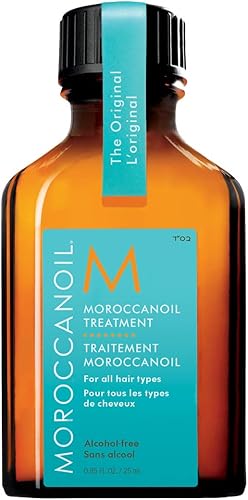
Both formulas share the same hero ingredient — argan oil — alongside cyclomethicone and dimethicone for slip and shine. The split happens in the ratio of those silicones, the linalool fragrance load, and the colorant. Original is gold-amber and visibly heavier on the palm; Light is pale and pours faster. For fine hair that grades oily within 24 hours of washing, that viscosity gap matters more than any single ingredient swap.
| Feature | Moroccanoil Treatment Original | Moroccanoil Treatment Light |
|---|---|---|
| Best hair type | Medium to coarse, dry | Fine, fragile, oil-prone |
| Texture | Rich, amber, slow-spread | Watery, pale, fast-absorbing |
| Silicone residue | Higher film weight | Lower film weight |
| Risk on oily scalp | Build-up within 1-2 days | Minimal if applied mid-length only |
| Frizz control | Stronger sealing | Moderate, smoother feel |
| Pre-blowout use | Excellent for coarse hair | Excellent for fine hair |
For anyone weighing the moroccanoil treatment light vs original fine oily scalp question, the short answer is straightforward: the Light formulation is almost always the better match for fine, oil-prone hair. Original Moroccanoil Treatment uses a richer blend of argan oil and silicones designed to coat coarse, dry strands, while Light delivers the same shine and frizz control in a thinner, faster-absorbing texture that won't drag down fine hair or accelerate scalp grease. Below we break down ingredient differences, application technique, and the alternatives worth considering if neither version sits well on your scalp.
- A highly concentrated, weightless styling oil for every hair type. Just 2-3 drops boost shine and softness instantly, strengthen to reduce breakage, and control frizz and flyaways
- KEY BENEFITS Instantly boosts shine, color vibrancy, and softness Tames frizz and flyaways 450ºF/232ºC heat protection
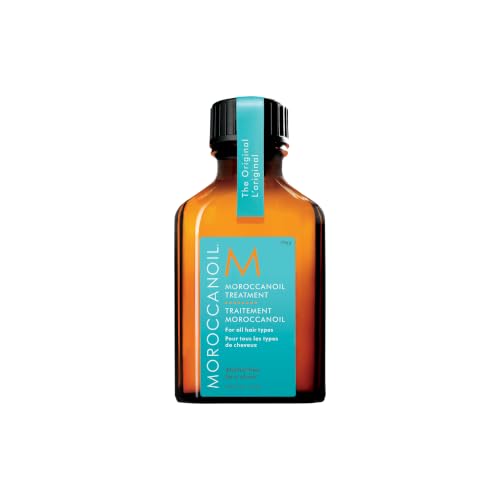
- Named the #1
- Boosts shine by up to 118%*
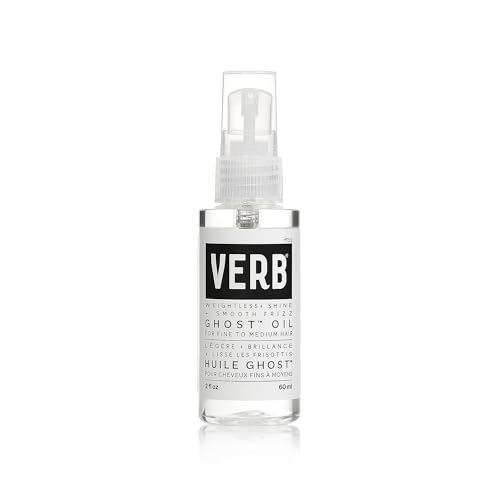
- GHOST WEIGHTLESS OIL: An everyday weightless hair oil that smooths frizz, tames flyaways and boosts hair's natural shine without weighing hair down. Ideal for fine to
- PROVEN RESULTS: Clinically proven to boost shine 118%, reduce frizz 70%, protect against heat up to 450°F / 232°C*, and leave hair 9.5x stronger* *proven results in third-party
- This product is non-sealed
- Fights frizz for sleek, smooth hair
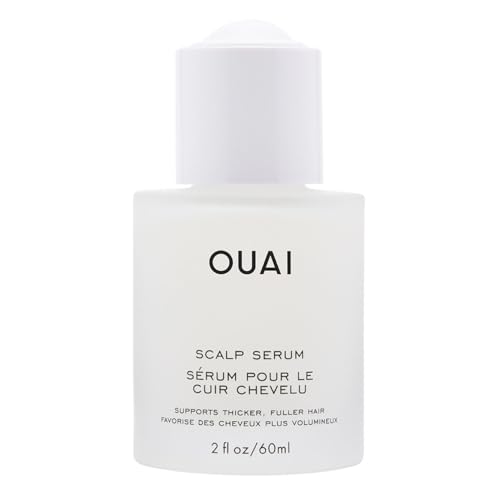
- Healthy Hair Starts with the Scalp - OUAI's new skin care-inspired serum is unlike other hair care because it gets to the root of healthy hair. This scalp oil supports thicker
- This is the OUAI to Grow - The combination of hyaluronic acid with nourishing Adaptogens like Arctic Root, Siberian Ginseng, and Chaga Mushroom delivers powerful hydration to a
Why fine, oily-scalp hair behaves differently
Fine hair has a smaller diameter per strand, so a single drop of oil coats far more surface than the same drop on coarse hair. That's why heavy treatments can collapse a fine blowout within hours. An oily scalp compounds the issue: your sebaceous glands are already producing more sebum than the strand needs, and any added oil migrating upward from the mid-lengths will land on a scalp that can't absorb it. The result is roots that read flat and greasy by day two, even when the lengths still look polished.
The fix isn't to skip oil entirely — fine hair still cracks at the cuticle without lipid replenishment — but to choose a formula light enough that it disappears into the strand instead of sitting on top. That's the design brief of Moroccanoil Light. The brand cut the silicone-to-argan ratio, dropped the colorant intensity, and tuned the cyclomethicone (a volatile silicone that flashes off) higher so the residue feels lighter once the carriers evaporate.
Moroccanoil Treatment Original — when it still earns a spot
If you have fine hair but a normal-to-dry scalp, Original can still work in tiny doses. A half pump warmed between palms and pressed only onto the bottom two inches of the lengths delivers visible shine without migration. Used pre-blowout on damp hair, it dilutes into the water enough that the residue is minimal. The trouble starts at maintenance application — touching up frizz on day two pushes you into greasy territory fast. For coarse, dry hair the Original is unbeatable, but on a fine, oily-leaning head it's usually too much oil.
Moroccanoil Treatment Hair Oil if you're targeting the lengths only, or if your scalp leans dry despite fine strand diameter.
Moroccanoil Treatment Light — the better fine-oily pick
Light's thinner pour translates directly to easier dose control, which is the single biggest variable for fine hair. You can place one pea-sized drop on the mid-shaft and ends and still feel it absorb within 60 seconds, where Original would leave a tacky film for several minutes. The frizz control is slightly less aggressive, but for fine hair that humidity already lifts more easily, the trade-off is usually worth it. The silver bottle is the visual cue at the salon shelf — don't grab the gold one by accident.
For 2026, Moroccanoil has kept the Light formulation essentially unchanged, which is good news: every reformulation rumor about silicone-free versions has turned out to be just that. If you've been using Light for years, expect identical performance from current stock.
How to apply either version without grease at the roots
Technique matters more than the formula. Three rules:
- Dose with restraint. Half a pump for chin-length fine hair, one full pump for shoulder length. That's it.
- Emulsify on the palms. Rub palms together until the oil disappears visually — that thin film is what should touch your hair, not pooled drops.
- Start at the bottom. Press into the ends, then drag upward to the mid-shaft. Whatever residue is left on your hands can graze the surface of the lengths, but never the scalp.
If you still see flat roots within a day, try applying only to damp hair before blow-drying. The heat helps the silicones bond to the cuticle rather than sit on top.
Lightweight alternatives worth a side-by-side test
VERB Ghost Oil
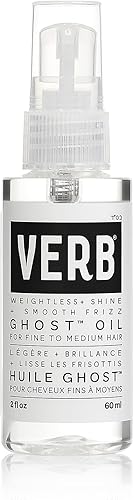
Ghost Oil is the closest texture match to Moroccanoil Light at roughly half the price. It's explicitly formulated for fine-to-medium hair, uses moringa and bamboo extract instead of pure argan, and dries down to a near-imperceptible film. The bottle is generous and the heat protection holds up to about 350°F. For a fine, oily scalp this is often the cheapest way to get the same silhouette as Light without the gold-bottle premium.
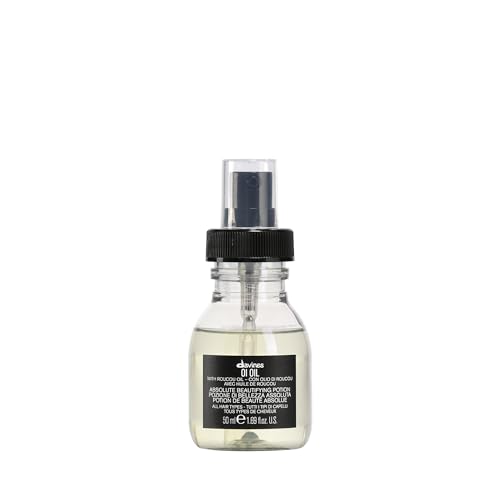
Davines OI Oil
OI Oil from Davines uses roucou oil as its hero and skews more cosmetic than reparative. The texture is thicker than VERB but lighter than Original Moroccanoil. For fine hair that needs more sealing than Light can offer — wavy textures with humidity exposure, for example — it bridges the gap. Scalp build-up is a risk if you apply within four inches of the roots, but the lengths read silky for two full days.
Olaplex No.7 Bonding Oil
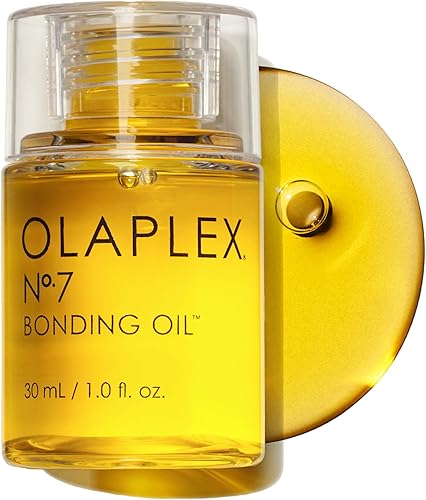
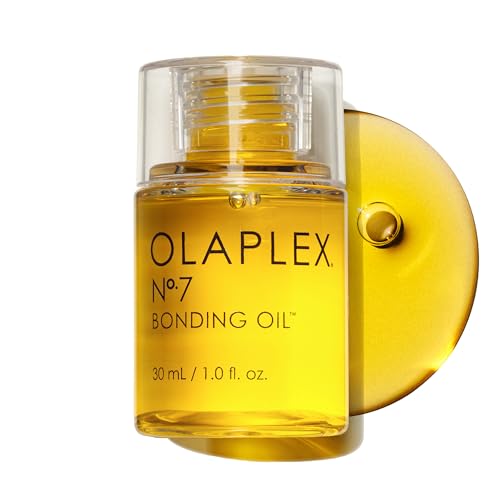
If your fine, oily-scalp hair is also damaged from coloring or heat, Olaplex No.7 is the heat-protectant pick most worth the swap. Each pump is metered, the texture flashes off in under a minute, and the bond-building chemistry actually strengthens the cuticle over weeks instead of just coating it. The trade-off is fragrance intensity, which is higher than Moroccanoil Light.
OUAI Scalp Serum
Strictly speaking this isn't a length oil, but the moroccanoil treatment light vs original fine oily scalp comparison often misses the obvious fix: if your scalp is producing too much sebum, target the scalp directly. OUAI's peptide and red clover serum balances oil production over four to six weeks of use. Pair it with Moroccanoil Light on the lengths and the whole picture changes.
When to ditch Moroccanoil entirely
Fine hair with an oily scalp that breaks out into folliculitis, persistent itch, or visible flakes within days of using either formula is signaling silicone sensitivity. Both Original and Light rely on the same dimethicone/cyclomethicone backbone, and no application technique changes that. In that case, switch to a fully silicone-free plant oil and treat the moroccanoil treatment light vs original fine oily scalp debate as resolved by elimination — neither will work for you.
For a broader look at which formulas suit different hair types, our guide to choosing a luxury serum by hair type covers porosity and density variables in more depth. If you're cross-shopping the brand specifically, the full Moroccanoil Treatment review and our Olaplex No.7 vs Moroccanoil Treatment comparison are the next reads. Application technique gets its own deep-dive in our guide to applying treatment oils perfectly.
Frequently Asked Questions
Is Moroccanoil Light better than Original for thin, greasy hair?
Yes, in nearly every case. The Light formula uses a higher ratio of volatile silicones that flash off after absorption, leaving less residue on the strand and minimizing migration toward the scalp. Thin, greasy hair benefits from that lower residual load. Original is engineered for medium-to-coarse, dry hair and will overload thin strands within one application.
Will Moroccanoil Treatment Light make my oily scalp worse?
Not if you apply it correctly. Keep all product at least four inches below the scalp, emulsify on the palms before touching the hair, and use only a pea-sized amount for shoulder-length hair. Migration upward overnight is minimal because Light's carriers evaporate before sebum begins pulling product toward the roots.
Can I use Moroccanoil Original if I have fine hair but a dry scalp?
Yes — fine hair plus a dry scalp is actually one of Original's stronger use cases. The richer formula keeps the lengths sealed, and a dry scalp won't pull the residue upward as aggressively as an oily one. The trick is dose control: a half pump for chin-length, one pump maximum for shoulder length, applied to damp hair before blow-drying.
How often should I use Moroccanoil Treatment Light on fine hair?
Once per wash cycle is the safe default. Daily reapplication on dry hair is where fine, oily-scalp users get into trouble — the build-up compounds across days even though each individual dose feels light. If you blow-dry daily, switch to a heat-protectant spray on non-wash days instead of layering more oil.
What's the visual difference between Moroccanoil Treatment and Moroccanoil Treatment Light bottles?
Original comes in a gold-toned glass bottle with a turquoise label; Light comes in a silver bottle with the same turquoise label. The pump and shape are identical, which is why mistaken purchases are so common at salons. Always check the bottle color before opening.
Is there a Moroccanoil Light dupe for oily scalps?
VERB Ghost Oil is the closest texture and finish match at a lower price, and it's formulated specifically for fine-to-medium hair. Davines OI Oil sits between Light and Original in weight. For damaged fine hair, Olaplex No.7 offers reparative benefits Light doesn't provide, though the fragrance is stronger.
Does Moroccanoil Treatment Light protect against heat?
Yes, up to approximately 450°F when applied to damp hair before blow-drying. The silicone film acts as a thermal buffer. Applied to dry hair as a finishing oil, the heat-protection benefit drops considerably because the film distribution is less even. For curling iron or flat iron use on dry hair, layer with a dedicated thermal spray.
Key Takeaways
- Choosing the right moroccanoil treatment light vs original fine oily scalp means matching the key features to your specific needs and budget
- Read real customer reviews and check the return policy before you commit
- Also covers: moroccanoil light for fine hair
- Also covers: moroccanoil original for oily scalp
- Also covers: moroccanoil light comparison fine hair
- Compare value across models — the priciest option is not always the best fit