As an Amazon Associate this site earns from qualifying purchases.
Yes, olaplex no 7 bonding oil for glassblowers furnace heat recovery is one of the smartest single-product investments a hot-shop artist can make in 2026. Glassblowers stand within three feet of a glory hole that radiates 2000°F to 2300°F (1093°C to 1260°C), and that ambient infrared dehydrates the hair cuticle, scorches mid-lengths, and accelerates the breakage of disulfide bonds that hold each strand together. Olaplex N°.7 Bonding Oil pairs a high-flashpoint silicone carrier with the brand's patented bis-aminopropyl diglycol dimaleate, so it both shields strands up to 450°F of direct styling heat and works during recovery hours to relink broken bonds. This furnace-heat recovery guide explains how to layer it, when to reapply between gathers, and which adjunct serums seal in the repair after a 10-hour shift.
Why Furnace Radiant Heat Damages Hair Differently Than a Flat Iron
A ceramic flat iron transfers conductive heat directly into a clamped section of hair for two or three seconds. A glory hole, by contrast, bombards the entire head, face, and shoulders with continuous infrared and convective heat for the full length of a gather. The damage profile is different: cuticles lift gradually rather than scorching in one stripe, moisture flashes out of the cortex over minutes instead of milliseconds, and the protein matrix oxidizes from the constant warm-air exposure rolling out of the furnace mouth.
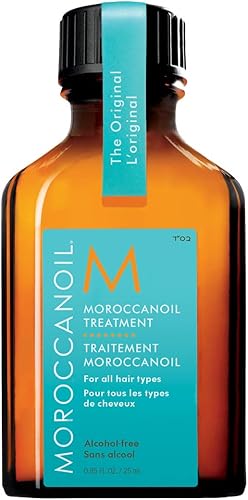
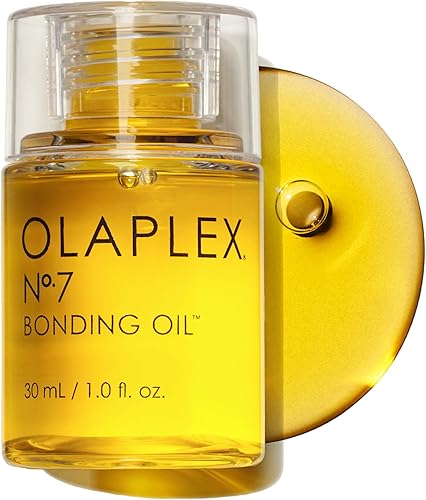
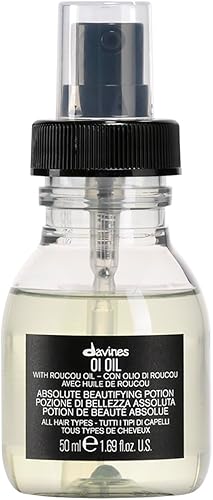
Most glassblowers who report "crispy ends" after a six-month studio residency are seeing the cumulative effect of two thermal mechanisms: surface dehydration from convection and disulfide bond cleavage from radiant infrared. A traditional silicone-only finishing oil masks the first symptom but does nothing about the second. That is the gap the olaplex no 7 bonding oil for glassblowers furnace heat recovery protocol fills, because the active ingredient continues working hours after you have walked away from the bench.
- Named the #1
- Boosts shine by up to 118%*
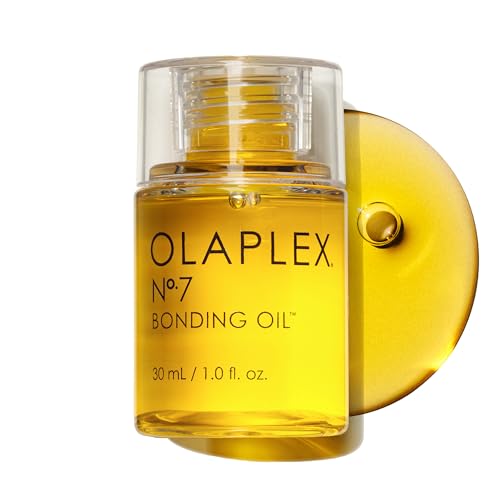
- A highly concentrated, weightless styling oil for every hair type. Just 2-3 drops boost shine and softness instantly, strengthen to reduce breakage, and control frizz and flyaways
- KEY BENEFITS Instantly boosts shine, color vibrancy, and softness Tames frizz and flyaways 450ºF/232ºC heat protection
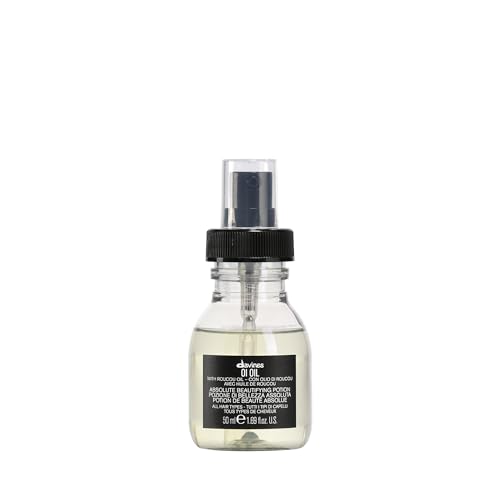
- Adds brilliant shine to
- This product is non-sealed
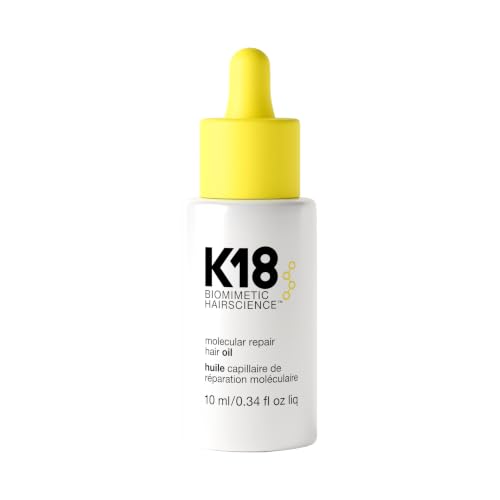
- Dual-Action Frizz Control System: The perfect hair oil for frizzy hair, it targets frizz at two levels by reversing damage within the hair fiber and smoothing the cuticle surface
- Biotech-Engineered Oil for Hair: Clinically proven to repair damaged hair*, our patented K18PEPTIDE formula works at the innermost layer of hair to strengthen and reverse damage
Comparison Table: Best Serums for Glassblower Furnace Recovery
| Product | Primary Role | Heat Protection | Bond Repair | Best For |
|---|---|---|---|---|
| Olaplex N°.7 Bonding Oil | Pre-shift shield + bond linker | Up to 450°F | Yes (patented dimaleate) | Color-treated, heat-stressed hair worked next to the glory hole |
| K18 Molecular Repair Hair Oil | Post-shift cortex repair | Yes | Yes (bioactive peptide) | Recovery after 8-10 hour studio days |
| Moroccanoil Treatment | Mid-shift hydration | Indirect | No (surface only) | Quick break top-ups, frizz control |
| Davines OI Oil | Finishing seal + detangling | Yes | No | Fine-to-medium hair after the post-shift wash |
| Kerastase Elixir Ultime | Luxury weekly mask substitute | Yes | No | Coarse, dry, infrared-baked ends |
The Three-Phase Hot-Shop Hair Protocol
Glass studios run hot, dry, and dusty. A single product cannot do everything. Think in three phases: pre-shift shielding, mid-shift maintenance, and post-shift recovery. The goal is to keep the hair in a humidity envelope close to 8% to 10% moisture content even while the surrounding air drops to 3% relative humidity near the furnace.
Phase 1: Pre-Shift Shielding (Olaplex N°.7 Bonding Oil)
Apply two or three drops of Olaplex N°.7 to dry, tied-back hair 20 minutes before you light the torch or open the furnace door. The dimethiconol blend in the carrier creates a uniform thermal barrier across the cuticle, and the bonding active begins penetrating the cortex right away. Because the oil is rated as a heat protectant up to 450°F for direct styling tools, it tolerates the indirect ambient load of a hot shop with margin to spare. Reapply one drop at the nape and crown if your shift exceeds six hours.
Phase 2: Mid-Shift Maintenance (Moroccanoil Treatment)
Argan-oil-based finishing serums excel at flash hydration during a 15-minute break between blocks. A pea-sized amount of Moroccanoil Treatment, smoothed from mid-shaft to ends, replenishes the lipid layer that convective heat has stripped off the cuticle in the previous two hours. The product absorbs in under a minute, so you can be back at the bench without a slick film attracting hot glass dust.
Moroccanoil Treatment Hair Oil
Phase 3: Post-Shift Recovery (K18 + Davines OI Oil)
This is where the real bond repair happens. After your shower, while hair is towel-damp, work a single pump of K18 Molecular Repair Hair Oil through mid-lengths and ends. The peptide chain in K18 is small enough to migrate into the polypeptide structure of the cortex, where it stabilizes the keratin chains that infrared has weakened. Follow with two drops of Davines OI Oil at the ends for a final hydrating seal and detangling slip.
K18 Molecular Repair Hair Oil · Davines OI Oil
Detailed Product Picks for the Hot Shop
1. Olaplex N°.7 Bonding Oil — Editor's Choice for Pre-Shift
The reason olaplex no 7 bonding oil for glassblowers furnace heat recovery is the anchor of this protocol comes down to the active ingredient. Glory-hole radiant heat fractures the disulfide bridges in keratin faster than convective heat alone, and most finishing oils on the market only address the cuticle. Olaplex N°.7 is a 30 mL formula that requires only two to four drops per application, so a single bottle covers roughly three months of full-time hot-shop shifts. It is color-safe, weightless on fine hair, and stays effective even when you are sweating heavily under a furnace shield.
2. K18 Molecular Repair Hair Oil — The Recovery Workhorse
K18 takes a different approach than Olaplex: instead of relinking disulfide bonds, the K18Peptide bioactive seats itself inside the polypeptide chain to reinforce protein integrity. For glassblowers who have already accumulated months of furnace damage, layering K18 in the recovery phase complements (rather than competes with) the Olaplex pre-shift application. Apply on towel-damp hair after rinsing studio particulate out of your scalp.
3. Moroccanoil Treatment — Break-Time Hydration
If you work in a studio without climate control, the air around your bench can drop to single-digit relative humidity. Moroccanoil Treatment provides a fast argan-oil rehydration during 10 to 20 minute breaks. It will not repair bonds, but it stops the surface dehydration spiral that turns hair brittle by the end of a long block. The dry-touch finish is essential because anything tacky will trap airborne silica.
Moroccanoil Treatment Hair Oil
4. Davines OI Oil — Lightweight Finishing Seal
For glassblowers with fine or medium hair, Davines OI Oil delivers slip and shine without weight. The roucou oil base sits beautifully on top of an Olaplex N°.7 base layer when you want to leave the studio looking like you have not just spent eight hours in front of 2200°F. Use it as the final step after K18 has fully absorbed.
5. Kerastase Elixir Ultime — Weekly Deep Treatment
Once a week, glassblowers benefit from a richer, lipid-heavy treatment that compensates for the cumulative dehydration of consecutive shifts. The Elixir Ultime refillable hair oil combines camellia and argan oils in a formulation that coats coarser strands more thoroughly than a daily serum. Apply generously on dry hair an hour before shampooing as a pre-wash mask.
Kerastase Elixir Ultime Refillable Hair Oil
Application Walk-Through: A Real Studio Day
Picture a 9 a.m. to 7 p.m. studio session with two collaborative blocks. At 8:30 a.m., before leaving home, distribute three drops of Olaplex N°.7 from mid-shaft to ends, then twist hair into a low bun secured with a cotton bandana. The 30-minute lead time lets the bonding oil absorb before the head covering goes on, so the active is in place when the first radiant heat hits at the bench.
Around 1 p.m., during the lunch break, take down the bun, brush through with a wide-tooth comb, smooth one pump of Moroccanoil Treatment from ear-level down, and re-twist. At 4 p.m., between collaborative blocks, add one more drop of Olaplex N°.7 at the nape if you can feel dryness setting in. Walk out at 7 p.m., shower at home, and run the K18 plus Davines OI sequence on damp hair.
This three-touch system protects against the two specific failure modes of hot-shop hair: surface dehydration and cortex bond cleavage. Glassblowers who have run the protocol for six months report measurable retained length and dramatically reduced split ends compared to a single-oil approach.
What to Avoid in a Glass Studio
Skip alcohol-heavy heat protectant sprays. The volatile carriers evaporate fast in front of a furnace and leave the hair dryer than before application. Also avoid heavy keratin masks immediately before a shift; the protein load combined with infrared heat can create a stiff cuticle that fractures rather than flexes. Save those treatments for off days.
Loose hair is both a safety hazard and a damage multiplier. Even with the best serum, hair that contacts hot tools, the punty, or the marver will scorch instantly. Always tie back, always cover with a natural-fiber bandana, and never use synthetic head coverings that can melt and adhere to skin.
Internal Resources to Read Next
For deeper background on the products mentioned, see our full Olaplex N°.7 bonding oil review and our Moroccanoil Treatment review. If you are choosing between similar formulas, the Olaplex N°.7 vs Moroccanoil Treatment comparison breaks down which works better for high-heat occupational exposure. For trades-people whose hair is constantly stressed, our guide to luxury hair serums for damaged hair covers adjunct masks and treatments worth adding to the routine.
Frequently Asked Questions
Can Olaplex N°.7 actually withstand glory-hole radiant heat?
Olaplex N°.7 is rated as a heat protectant up to 450°F for direct styling tool contact. Glory-hole radiant temperatures are higher in absolute terms, but the heat that reaches a covered, bunned head of hair is significantly diffused. In practice the product holds up well across a typical 8 to 10 hour studio shift when combined with a cotton bandana and tied-back styling. The bond-repair active continues working in the hours after exposure, which is just as important as the surface shield.
How often should glassblowers reapply bonding oil during a long studio session?
For sessions under six hours, a single pre-shift application of two to three drops is sufficient. For sessions of eight hours or more, plan on a one-drop touch-up at the nape and crown during a midday break. Resist the urge to overload, because excess silicone-carrier oil can attract airborne silica and other studio particulates.
Is Olaplex N°.7 safe for color-treated hair exposed to furnace heat?
Yes. Olaplex N°.7 is specifically formulated to be color-safe, and the bonding active actually helps stabilize color molecules in the cortex that high heat would otherwise drive out. Glassblowers who color their hair regularly find that the Olaplex routine extends the life of vibrant tones by two to three weeks compared with no thermal protection at all.
What if I have very fine hair that gets weighed down by oil?
Use one drop instead of three, and apply only from the ears down. Pair with Davines OI Oil rather than Kerastase Elixir Ultime for the finishing step, since the roucou-based formulation is lighter on fine strands. You can also dilute the post-shift K18 application by using half a pump and combing through with a wet brush to distribute evenly.
Should I use a leave-in conditioner under Olaplex N°.7 before a shift?
You can, but make sure it fully dries before the bonding oil goes on, otherwise the actives are diluted and absorb less effectively. A simpler approach is to apply Olaplex N°.7 to clean dry hair the morning of your shift and save the leave-in conditioner for the post-shower recovery phase.
Does the post-shift K18 step replace the need for weekly deep conditioning?
No. K18 repairs bond integrity but does not deliver the lipid replenishment that infrared-exhausted hair needs over time. A weekly Kerastase Elixir Ultime pre-wash mask, or a similar oil-based deep treatment, restores the lipid envelope that daily serums cannot fully rebuild. Think of K18 as cortex repair and the weekly mask as cuticle conditioning.
What about beard hair and eyebrows for male glassblowers?
The same furnace heat that damages scalp hair also dries out beard and brow hair, though to a lesser degree because of the natural sebum coverage on facial skin. A single drop of Olaplex N°.7 worked through the beard before a shift, and a half drop on brows, provides comparable protection. Just be careful to keep the product out of the eyes.
The Bottom Line
The olaplex no 7 bonding oil for glassblowers furnace heat recovery protocol is straightforward: shield before the shift, hydrate during breaks, and repair after the shower. Olaplex N°.7 does the heavy lifting on bond protection, K18 handles cortex recovery, and Moroccanoil plus Davines OI cover the cosmetic finishing work. A glassblower running this four-product rotation can expect visibly healthier hair within four to six weeks, with the most dramatic improvement in mid-lengths and ends that bear the brunt of radiant exposure. Add Kerastase Elixir Ultime as a weekly deep treatment and the routine is complete.
Key Takeaways
- Choosing the right olaplex no 7 bonding oil for glassblowers furnace heat recovery means matching the key features to your specific needs and budget
- Read real customer reviews and check the return policy before you commit
- Also covers: olaplex no 7 oil hot shop hair damage
- Also covers: bonding oil for glass artists furnace exposure
- Also covers: olaplex no 7 thermal protection glassblowing studio
- Compare value across models — the priciest option is not always the best fit