Quick comparison: five oils that survive a hot line
| Product | Heat protection | Feel after 8 hours | Best for |
|---|---|---|---|
| Olaplex N°.7 Bonding Oil | Up to 450°F | Silky, no residue | Bond repair under a chef's cap |
| K18 Molecular Repair Hair Oil | Yes, peptide-based | Weightless | Chemically damaged or bleached hair |
| Moroccanoil Treatment | Yes, argan-based | Slightly warm/nutty | Coarse or long hair that needs slip |
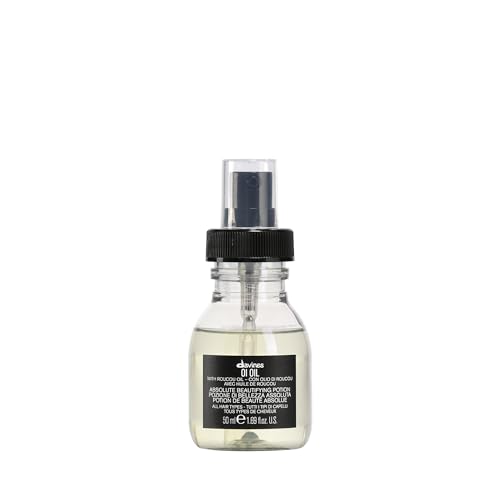
| Davines OI Oil | Moderate | Feather-light | Fine hair that grease-flattens easily |
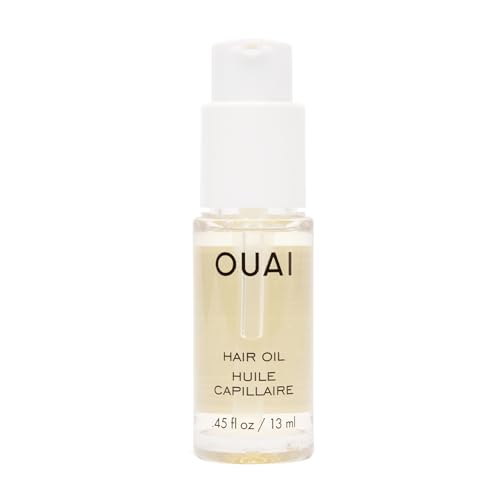
| OUAI Hair Oil (travel) | Yes | Balanced | Pocket touch-ups mid-shift |
If you're pulling a double on the saute station and your ponytail smells like clarified butter by mid-service, you need a serum built for extreme heat, steam, and hood-vent grease exposure. Olaplex no 7 bonding oil for line cooks is a top pick because a single dime-sized drop coats hair without leaving a slick residue that catches airborne oil, and its silicone-plus-bond-building blend tolerates the radiant heat coming off a 500°F cast-iron pan without flashing or smoking on contact. Below, we break down why Olaplex N°7 works so well behind the line, how to apply it before service, and four backup luxury oils that survive a 12-hour shift.
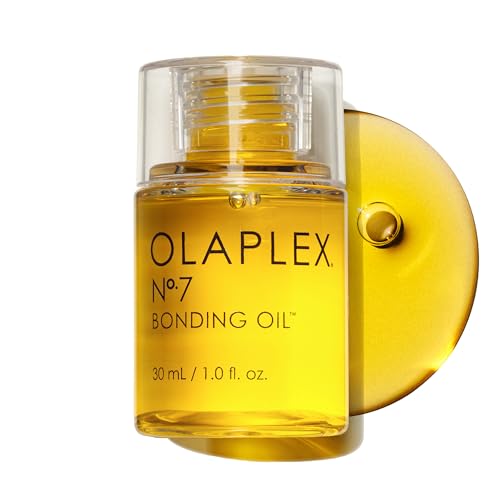
- A highly concentrated, weightless styling oil for every hair type. Just 2-3 drops boost shine and softness instantly, strengthen to reduce breakage, and control frizz and flyaways
- KEY BENEFITS Instantly boosts shine, color vibrancy, and softness Tames frizz and flyaways 450ºF/232ºC heat protection
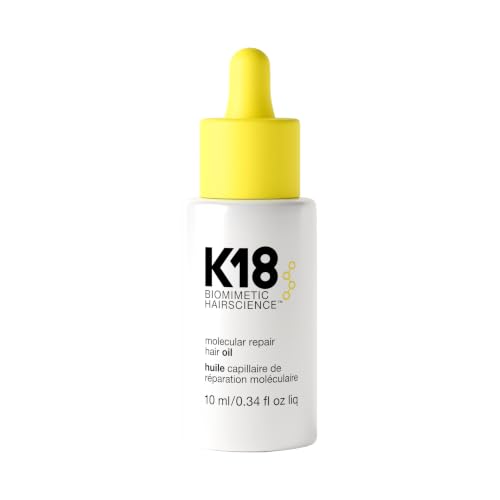
- Dual-Action Frizz Control System: The perfect hair oil for frizzy hair, it targets frizz at two levels by reversing damage within the hair fiber and smoothing the cuticle surface
- Biotech-Engineered Oil for Hair: Clinically proven to repair damaged hair*, our patented K18PEPTIDE formula works at the innermost layer of hair to strengthen and reverse damage
- Dual-Action Frizz Control System: The perfect hair oil for frizzy hair, it targets frizz at two levels by reversing damage within the hair fiber and smoothing the cuticle surface
- Biotech-Engineered Oil for Hair: Clinically proven to repair damaged hair*, our patented K18PEPTIDE formula works at the innermost layer of hair to strengthen and reverse damage
- Named the #1
- Boosts shine by up to 118%*
- This product is non-sealed
- Fights frizz for sleek, smooth hair
- Your Fast Fix For Healthy Hair - A multitasking oil and heat protectant for hair, for every occasion. It protects from color fading and heat/UV damage, smooths split ends and
- Nutrient-Rich - Formulated with Ama oil to keep hair strong and provide heat protection against humidity and Baobab seed oil to help hydrate for a healthy, shiny finish
Why line cooks need a purpose-built luxury serum, not a drugstore one
A cast-iron station is a hostile environment for hair. You've got radiant heat spikes from searing rib-eyes at 450 to 500 degrees, steam from deglazing, a fine mist of aerosolized fat from every pan you toss, and the constant thermal cycling of a hood vent that pulls smoke and dumps in cold makeup air. Cheap silicone serums build up in that environment. They oxidize, they trap smoke particles, and they turn hair into a wick that carries kitchen odors home with you at 1 a.m. A true bonding oil does the opposite: it fills in gaps in the cuticle so foreign molecules can't lodge there, and it flash-evaporates the delivery solvent before your first ticket even hits the board.
Line cooks also have a specific mechanical problem. Chef's caps, doo-rags, and bandanas rub the same section of hair for hours. Add sweat, and you've got a friction-and-humidity combo that breaks bonds fast. This is exactly the kind of damage cycle Olaplex was built to interrupt, which is why the No.7 gets recommended so often in kitchen-hair discussion threads.
Olaplex N°.7 Bonding Oil — the top pick for cast-iron stations
This is the oil that wins for cast-iron work, and it's not close. A single drop rubbed between the palms and smoothed from mid-shaft to ends before you put on your bandana gives you up to 72 hours of frizz control, meaning it survives the humidity swings of a busy Saturday night. The formula contains Olaplex's patented bond-building chemistry, so it isn't just coating the outside of the strand — it's actively reinforcing the disulfide bonds that steam and repeated ponytail tension break down. It's rated as a heat protectant to 450°F, which lines up almost exactly with the surface temperature of a properly ripping cast-iron skillet, and it doesn't smoke or discolor when a stray drop lands on hot metal. Buy it here: Olaplex N°.7 Bonding Oil on Amazon. For a deeper breakdown of the formula, see our full Olaplex No.7 review.
K18 Molecular Repair Hair Oil — for bleached or chemically stressed hair
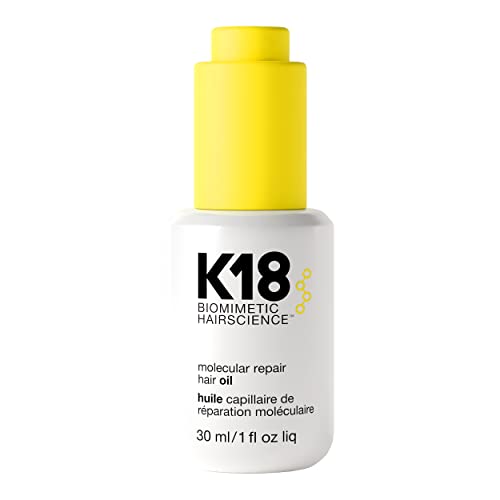
If your hair is already compromised from color processing before you even walk into the kitchen, K18's peptide oil is worth the price. The peptide anchors into weakened keratin chains and fills in structural gaps, so instead of just sealing damage in, you're rebuilding a stronger scaffold under the cuticle. It has 24-hour frizz control and heat protection, and the 0.34-oz size is small enough to live in a locker at your commissary. It doesn't have Olaplex's specific bonding chemistry, but it pairs beautifully with N°.7 on off days for a stacked repair routine. Grab the compact bottle: K18 Molecular Repair Hair Oil (0.34 oz). If you go through it fast, size up: K18 Molecular Repair Hair Oil (1 Fl oz).
Moroccanoil Treatment — for coarse or long hair braided under a wrap
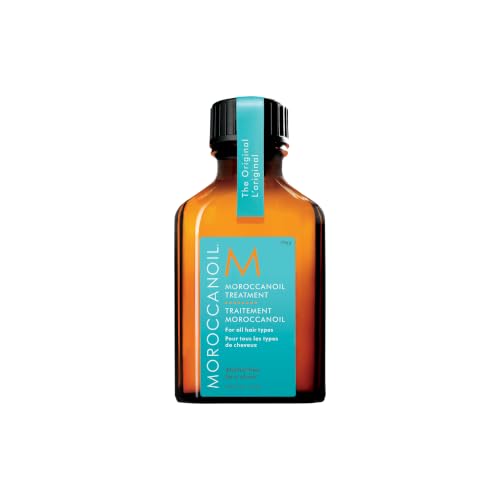
The original Moroccanoil is the workhorse for line cooks with thick, long, or dense hair that needs to be braided tight under a wrap or hairnet. Argan oil gives real slip, so a braid doesn't lock up into a matted knot after eight hours of sweating. The scent is warm and slightly nutty, which some cooks like because it competes with the smell of clarified butter clinging to their bandana. It's not as bond-focused as Olaplex, but for pure conditioning and manageability, it's a classic. Pick it up here: Moroccanoil Treatment. Trying to decide between the two? We compare them directly in Olaplex No.7 vs. Moroccanoil Treatment.
Davines OI Oil — for fine hair that greases out fast
If you have fine hair, the last thing you want is a heavy serum that flattens against your scalp under a chef's cap and then absorbs kitchen grease like a paper towel. Davines OI Oil is the feather-light pick. It's a roucou-oil-based potion that detangles and adds shine without weighing anything down, and one pump is enough for shoulder-length fine hair. It won't heat-protect quite as aggressively as Olaplex, but for a cook who runs a cooler station like pantry, garde manger, or pastry, it's often the better choice. Davines OI Oil on Amazon.
OUAI Hair Oil (Travel Size) — the mid-shift touch-up
You want a locker oil and a pocket oil. The pocket oil is for the two minutes you get between breaking down mise and family meal, when your hair has gone frizzy from steam and you need to slick it back down before the next push. OUAI's 0.45-oz travel size fits in a chef pants pocket without leaking, has a color-safe paraben-free formula, and adds shine plus heat protection without needing a wash-out. Grab it: OUAI Hair Oil Travel Size.
How to apply olaplex no 7 bonding oil for line cooks during a shift
Timing and quantity are everything. Use olaplex no 7 bonding oil for line cooks the way a saucier uses a beurre monte — a little, at the right moment, worked in fast.
Pre-shift, on damp hair (15 minutes before you clock in): One drop into palms. Rub warm. Distribute from mid-length to ends, then a whisper through the top. Comb through with wet fingers. Braid or tie back. This is your bond-building base layer.
Mid-shift, before family meal: Half a drop, palms only, smoothed over the crown where your bandana rubs and where steam has lifted the cuticle. This kills afternoon frizz before dinner service.
End-of-shift, before you shower: Nothing. Wash your hair with clarifying shampoo first, then reapply after towel-drying to lock repair in overnight.
The mistake most cooks make is over-application. More oil does not equal more protection — it equals a slick surface that grabs and holds aerosolized fat from the hood. Two to three drops per day, total, is the right dosage for anything shy of waist-length hair.
Kitchen-specific hair damage: what you're actually fighting
Understanding the damage helps you buy smarter. Line cooks face four compounding stressors:
1. Radiant heat. Cast iron holds and radiates heat differently than a nonstick pan. Even from two feet away, your hair is receiving thermal energy that lifts the cuticle and evaporates internal moisture. A heat-protectant oil creates a thermal buffer.
2. Aerosolized cooking fat. Every time you toss a pan or hit a hot skillet with cold liquid, microdroplets of fat go airborne. They land on your hair and oxidize into a sticky film that regular shampoo doesn't fully remove.
3. Mechanical friction. Chef's cap, bandana, or hairnet rubbing the same spot for a 12-hour push causes breakage at a predictable line, often visible as a fuzzy halo around the crown.
4. Steam-driven cuticle lifting. Steam from blanching, pasta water, and deglazing raises the cuticle scales. Once lifted, hair grabs odors and pigments — this is why your ponytail smells like a kitchen for two days after a shift.
A serious bonding oil addresses at least three of these. For a broader primer on the category, see our overview of the benefits of treatment oils and our guide to anti-frizz treatment oils.
Frequently Asked Questions
Is Olaplex No.7 actually heat-protectant enough for cast-iron cooking?
Yes, within reason. It's rated up to 450°F, which covers direct heat protection from styling tools and the radiant heat you experience standing over a searing pan. It won't protect your hair from a splash of 500°F oil — nothing will — but for the ambient heat exposure of a line cook shift, it's more than sufficient. The key is one drop, well distributed, not a puddle.
Does bonding oil make kitchen odors cling to hair worse?
Counterintuitively, no. Because bonding oil seals the cuticle down flat, there are fewer lifted scales for smoke and fat molecules to lodge into. Cheap conditioners with heavy dimethicone can trap odors, but Olaplex N°.7 uses a lighter cyclomethicone base that flash-evaporates and leaves the sealed cuticle behind. A quick pre-shift application actually reduces how much your hair smells like fryer oil at 2 a.m.
Can I use Olaplex N°.7 under a hairnet without it getting greasy?
Yes, if you apply it correctly. The trick is to apply on damp hair well before service, not right before you put the net on. The delivery solvent needs 10 to 15 minutes to evaporate; after that, the residual film is invisible and non-transferable. Applied to bone-dry hair right before a hairnet, any oil can look greasy.
What's better for line cooks: Olaplex No.7 or Moroccanoil?
Olaplex N°.7 for damage repair and heat protection, Moroccanoil for pure conditioning slip on coarse or long hair. If your hair is bleached, color-treated, or already fragile, choose Olaplex. If your hair is naturally coarse and you mostly need it to lay flat under a wrap, Moroccanoil is the better daily driver. Many cooks alternate them or layer a drop of each.
Will a serum protect against splatter burns?
No serum protects against a splatter burn. Hair oils address ambient heat, humidity, styling temperatures, and cuticle damage — not direct contact with hot fat. Wear a proper hair covering, tie long hair back tightly, and step back before you deglaze. Serum is a hair-health tool, not PPE.
How often should a line cook reapply during a 12-hour shift?
Once before clock-in and once at family meal or your longest break. That's it. Line cooks overapply because the environment feels aggressive, but the bonding oil's active protection lasts through service if the first application was thorough. More oil after that just builds up film that grabs airborne grease.
Does bonding oil help with the friction line under a bandana?
Yes, significantly. The friction line where a bandana or chef's cap sits is where breakage concentrates. A bonding oil applied to that specific zone before tying reduces the coefficient of friction between fabric and cuticle, so the same rubbing motion causes less mechanical damage. You can also swap a cotton bandana for silk or satin lining, which stacks with the oil for even better results.
Key Takeaways
- Choosing the right olaplex no 7 bonding oil for line cooks means matching the key features to your specific needs and budget
- Read real customer reviews and check the return policy before you commit
- Also covers: hair oil for restaurant kitchen workers
- Also covers: best hair serum for cooks with grease exposure
- Also covers: olaplex no 7 for chefs long shifts
- Compare value across models — the priciest option is not always the best fit