As an Amazon Associate this site earns from qualifying purchases.
For locticians serving postnatal clients in 2026, the question of oribe gold lust vs rene furterer karinga postnatal locs usually comes down to three variables: hormonal shedding around the perimeter, scalp sensitivity from extended supine nursing positions, and the weight a serum adds to freshly retwisted roots. Oribe Gold Lust Nourishing Hair Oil is a heavier, fragrance-forward jojoba and argan blend that locs absorb slowly, giving a longer-lasting sheen between sessions. Rene Furterer Karinga (the Ultimate Nourishing Ritual oil) leans lighter, with sesame and shea esters that rinse cleaner, an advantage when a client cannot sit for a full reset and needs you to oil between washes without buildup.
The short answer: choose Oribe Gold Lust for postnatal clients with mature, well-cultivated locs who want a salon-finish polish and tolerate richer aromatics; choose Rene Furterer Karinga for clients in the four-to-twelve-month postpartum window when shedding is highest, scalp tenderness is real, and a clean-rinsing oil protects retention without overloading thinner perimeters. The rest of this guide unpacks why, what to substitute when neither is in your kit, and how to layer scalp serums underneath either oil to protect the hairline.
Why postnatal loctician clients need a different serum protocol
Postpartum telogen effluvium peaks roughly three to six months after delivery, when up to 60% of follicles can shift into the shedding phase. For loc'd clients, that shedding does not always show on the brush — it shows as a thinning perimeter, gaps near the temples, and unusually loose new growth between retwists. The serum you reach for has to do three jobs at once: condition the loc body so it does not feel brittle, soothe a scalp that may still be hormonally inflamed, and avoid weighing down a fragile hairline that is regrowing wispy 1B and 1C texture alongside the original 4A-4C pattern.
Finding the right oribe gold lust vs rene furterer karinga postnatal locs comes down to matching the features to how you will actually use it.
This is the lens you should evaluate oribe gold lust vs rene furterer karinga postnatal locs through. A serum that performs beautifully on a non-postpartum client with established locs may smother the regrowing baby hairs of a six-month-postpartum mother, or trigger scalp sensitivity that did not exist before the pregnancy.
- A highly concentrated, weightless styling oil for every hair type. Just 2-3 drops boost shine and softness instantly, strengthen to reduce breakage, and control frizz and flyaways
- KEY BENEFITS Instantly boosts shine, color vibrancy, and softness Tames frizz and flyaways 450ºF/232ºC heat protection
- Named the #1
- Boosts shine by up to 118%*
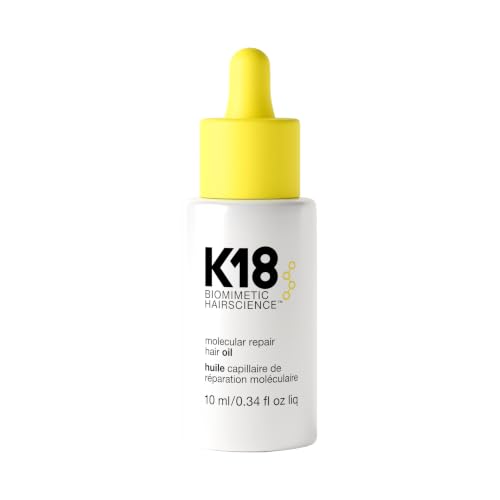
- Dual-Action Frizz Control System: The perfect hair oil for frizzy hair, it targets frizz at two levels by reversing damage within the hair fiber and smoothing the cuticle surface
- Biotech-Engineered Oil for Hair: Clinically proven to repair damaged hair*, our patented K18PEPTIDE formula works at the innermost layer of hair to strengthen and reverse damage
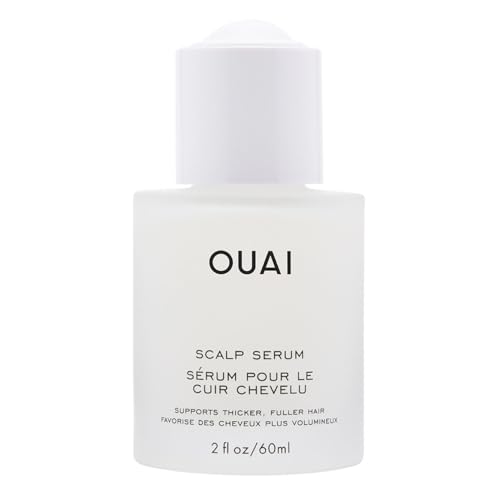
- Healthy Hair Starts with the Scalp - OUAI's new skin care-inspired serum is unlike other hair care because it gets to the root of healthy hair. This scalp oil supports thicker
- This is the OUAI to Grow - The combination of hyaluronic acid with nourishing Adaptogens like Arctic Root, Siberian Ginseng, and Chaga Mushroom delivers powerful hydration to a
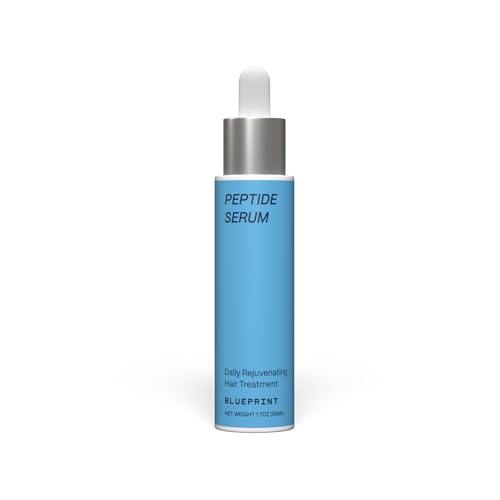
- Advanced 8-Peptide Complex – Designed by experts, peptides delivered through nanoliposomes help revitalize the scalp environment and visibly improve density, thickness, and
- Caffeine & Curcumin Powered – Invigorating blend supports circulation and targets scalp health for the appearance of stronger, fuller hair without irritation or heavy residue left
Comparison at a glance
| Attribute | Oribe Gold Lust Nourishing Hair Oil | Rene Furterer Karinga Ultimate Nourishing Ritual |
|---|---|---|
| Best postnatal stage | 9+ months postpartum, shedding stabilizing | 0–9 months postpartum, active shedding |
| Weight on locs | Medium-heavy, glossy finish | Light-medium, satin finish |
| Scalp friendliness | Fragranced; patch-test sensitive scalps | Lower irritant profile; sesame/shea base |
| Buildup risk between retwists | Moderate (rich emollients) | Low (rinses cleaner) |
| Heat protection | Adequate for low-heat parlor dryer | Adequate; lighter coverage |
| Color-treated locs | Color-safe, preserves vibrancy | Color-safe, gentle on toned locs |
| Typical client preference | Wants visible shine, signature scent | Wants discretion, minimal fragrance |
Oribe Gold Lust: when it earns its place in a postnatal kit
Gold Lust shines on clients whose locs are at least nine to twelve months postpartum and who have moved past the peak shedding window. The argan, jojoba, sandalwood, and bio-restorative complex create a finish that photographs beautifully — useful if your client is returning to weddings, family portraits, or work-event circuits where her locs need to look intentional. The trade-off is weight. Apply two drops per quadrant, warmed between your palms, and concentrate on the loc shaft rather than the scalp. Avoid the regrowth perimeter entirely until shedding has plateaued, or you risk flattening the very baby hairs that are trying to come in.
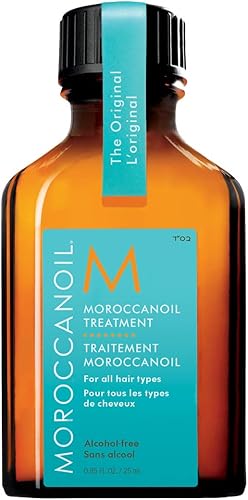
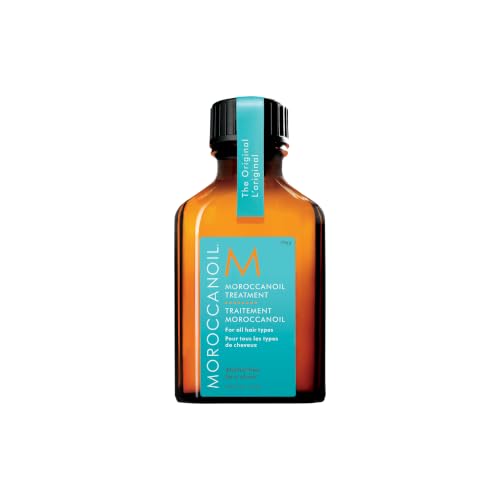
If a client loves the Gold Lust aesthetic but cannot tolerate the fragrance during postpartum hormonal shifts, a near-substitute in your retail shelf is Moroccanoil Treatment, which delivers similar visible polish at a different price point.
Moroccanoil Treatment as a Gold Lust alternative
The original argan-based formula behaves predictably on coily textures, layers well over leave-ins, and is widely available, which makes restocking easier for a busy loc studio. Moroccanoil Treatment Hair Oil remains a benchmark for argan-oil shine on textured hair and works as a step-down weight from Gold Lust when a client is still in the late postpartum stretch.
Rene Furterer Karinga: the safer default for active shedding
Karinga was formulated around the ritual oil traditions of West and Central African hair care, with sesame seed oil, sapote butter esters, and a lighter aromatic profile than Gold Lust. For a loctician, that translates to three practical wins during the postpartum window: less scalp reactivity, easier wash-day clearance, and a finish that does not pancake regrowing baby hairs against the scalp. You can use it as a pre-shampoo treatment 20 minutes before a wash, then as a final sealing oil after retwisting — the same bottle covers both steps without buildup creeping into root health.
For postnatal clients whose locs are dry from breastfeeding-related water imbalance, Karinga's emollients work well alongside a deeper bond-repair oil. If you need that bond-repair layer in the kit, a strengthening peptide oil sits cleanly underneath it.
Olaplex No. 7 as a layering partner for Karinga
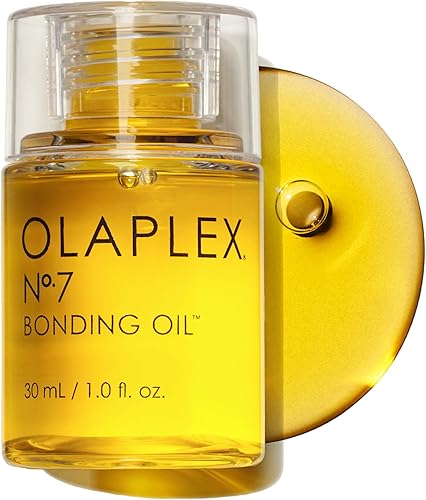
For postnatal clients whose locs feel structurally weak — common after the calcium and protein draws of pregnancy and lactation — applying a peptide-based bonding oil before sealing with Karinga gives the locs internal reinforcement plus external softness. Olaplex No.7 Bonding Oil is formulated for coily, curly, and wavy textures with up to 72 hours of frizz control, and it is light enough not to compete with Karinga's finish. See our full Olaplex No. 7 Bonding Oil review for the dose-per-section breakdown.
What to do when neither Oribe nor Rene Furterer is available
Supply gaps happen — especially with Karinga, which has historically had quieter US distribution. These substitutes preserve the postnatal logic of the comparison.
K18 Molecular Repair Hair Oil for bond reinforcement
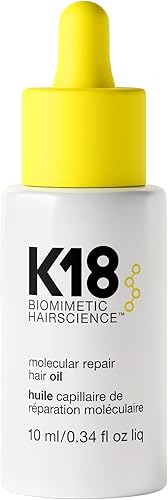
If your client's locs feel brittle from postpartum protein shifts, a peptide-driven oil rebuilds disulfide bonds in a way neither Oribe nor Karinga directly targets. K18 Molecular Repair Hair Oil is the travel-friendly size to start with; clients who respond well can step up to the larger bottle. Use a single drop per quadrant, applied to the mid-shaft of the loc, never the scalp.
Rahua Legendary Amazon Hair Oil for sensitive scalps
Postpartum scalp irritation is real, and some clients cannot tolerate the synthetic fragrances in even gentle salon oils. Rahua Legendary Amazon Hair Oil is a plant-based, concentrated Amazonian oil blend without the synthetic top notes that aggravate hormonal scalp sensitivity. It also reduces split ends on the loose ends of locs that have not yet fully knotted in — useful for clients in the starter-loc phase who started their journey during pregnancy.
Scalp serums for the perimeter
Neither Gold Lust nor Karinga is a scalp treatment, and the postnatal perimeter is where many clients lose retention. A dedicated scalp serum sits underneath either oil and addresses the thinning directly. OUAI Scalp Serum with red clover, Siberian ginseng, and peptides is paraben-, phthalate-, and sulfate-free, which matters when a nursing client is reading every ingredient label. Apply it at the perimeter and along any visible parts before the sealing oil. For clients open to a more clinical scalp routine, Blueprint Bryan Johnson Hair Peptide Serum uses an 8-peptide complex with caffeine and curcumin in a fragrance-free leave-in format that suits scalp sensitivity well.
How to talk to a postnatal client about the choice
The trap many locticians fall into is recommending the more expensive oil because the client booked a longer service. Postpartum clients are usually exhausted, hormonally variable, and decision-fatigued — they want a confident recommendation, not a sales pitch. Ask three questions: how many months postpartum, whether she is breastfeeding (which affects scalp hydration and ingredient sensitivity), and whether she wants the locs to read polished or natural at the end of the appointment. Those answers map cleanly onto the Gold Lust vs Karinga choice.
Document the choice in the client file. If you switch a client from Karinga to Gold Lust at month ten and her shedding picks back up at month thirteen with a second pregnancy, you want the receipts on what worked before.
Application protocol for postnatal locs
Regardless of which oil you choose, the postnatal application protocol differs from the standard mature-loc routine in four ways. First, never apply oil to a tender or actively inflamed scalp — treat the scalp first with a serum, wait 10 minutes, then seal the locs. Second, halve your normal dose; postpartum locs hold product longer because sebum production is dysregulated. Third, avoid retwisting too tight at the perimeter; the regrowth is fragile, and a tight twist plus a heavy oil can pull baby hairs out at the follicle. Fourth, set a 48-hour follow-up text — postnatal scalp reactions can show up a day or two later, and you want to catch them before the next appointment.
For deeper context on how oils behave differently on textured hair, our premium treatment oils buyer's guide walks through viscosity, scent profile, and protein interactions across the major luxury serum brands.
Frequently Asked Questions
Is Oribe Gold Lust safe to use while breastfeeding?
The formula has no documented contraindications for breastfeeding, and the oil sits on the hair shaft rather than penetrating systemically. The practical concern is fragrance sensitivity — many breastfeeding clients develop temporary aversion to floral and amber notes, which Gold Lust contains. If your client mentions nausea from perfumes during the appointment, switch to Karinga or Rahua and document the change.
How often should locticians retwist postnatal clients using these oils?
Stretch the retwist interval to five to six weeks rather than the standard three to four during peak postpartum shedding (months three through nine). Tighter retwists on a regrowing perimeter accelerate traction loss. Both Gold Lust and Karinga are formulated to extend between-service freshness, so you can recommend a lighter mid-cycle touch-up at home rather than a full early retwist.
Can I use Rene Furterer Karinga on starter locs that were begun during pregnancy?
Yes, and it is often the better choice. Karinga's lighter weight does not slow the knotting process the way heavier oils can, and the sesame and shea esters do not leave the kind of residue that makes new locs slip apart. For starter locs with looser ends, you can also pre-treat with Rahua Legendary Amazon Hair Oil to reduce split-end formation while the locs are still maturing.
What is the actual difference between a hair serum and a treatment oil for locs?
Serums are typically silicone-forward and sit on the cuticle for a fast cosmetic finish; treatment oils penetrate or coat with plant-derived lipids and contribute to long-term moisture retention. For locs, you almost always want the treatment-oil category because cuticle-shine serums cannot reach the interior of a knotted loc structure. Our breakdown of the difference between hair serums and treatment oils covers this distinction in more depth.
Will either oil interfere with postpartum hair regrowth at the temples?
Neither oil applied correctly will slow follicular recovery, but both can mechanically flatten regrowing baby hairs if applied directly to the scalp at the hairline. Keep the application to the mid-shaft of the loc body and use a dedicated scalp serum at the perimeter. For clients dealing with significant postpartum thinning, our notes on postpartum hair loss serum strategy outline the supporting routine.
How do these oils compare for 4C texture specifically?
4C postnatal locs tend to benefit from heavier emollients because the texture's high porosity loses moisture quickly. Gold Lust's richer profile is often the better long-term choice once shedding plateaus. Karinga remains the safer bridge product during the active shedding window because the lighter weight protects fragile new growth. If you serve high-porosity textures regularly, the Leonor Greyl Huile de Magnolia notes are worth cross-referencing for the porosity logic.
What is the right shelf life for these oils in a salon setting?
Both oils are stable for 12 to 18 months unopened and roughly 9 to 12 months once opened, assuming cool storage out of direct sunlight. For a busy loc studio rotating clients weekly, that timeline is generous, but watch for scent change or viscosity shifts, which signal oxidation. Postnatal clients are the most likely to react to oxidized oil — when in doubt, open a fresh bottle for the postpartum chair.
Key Takeaways
- Choosing the right oribe gold lust vs rene furterer karinga postnatal locs means matching the key features to your specific needs and budget
- Read real customer reviews and check the return policy before you commit
- Also covers: postnatal loc retwist oil
- Also covers: loctician recommended luxury hair oil
- Also covers: Karinga oil for new mom locs
- Compare value across models — the priciest option is not always the best fit