As an Amazon Associate this site earns from qualifying purchases.
If you are mid-transition from relaxed or heat-trained strands to your natural curl pattern, the rene furterer karinga oil transitioning natural hair routine is one of the most-searched luxury rituals of 2026 for good reason. Karinga is a multi-use beauty oil built around African baobab seed and shea, two ingredients that soften the fragile demarcation line where new coils meet processed ends. Used as a pre-shampoo soak, a sealing finisher, or an overnight scalp treatment, it helps prevent the snap-prone breakage that derails most transitions. Below, you will find a 2026 application guide, comparable luxury oils worth pairing with it, and answers to the questions transitioners ask most.
Why Karinga Oil Suits Transitioning Hair Specifically
Transitioning hair is structurally schizophrenic. The new growth emerging from your scalp is coily, porous, and protein-hungry, while the relaxed or heat-trained lengths are weakened, often over-elasticized, and prone to mid-shaft splitting. The point where these two textures meet—the demarcation line—is the single weakest spot on your entire strand. Any rough detangling, dry combing, or aggressive shampoo can sever it.
Rene Furterer formulated Karinga around West African baobab oil (rich in vitamins A, D, E, and F), shea butter fractions, and a featherlight ester base. That combination sinks past the cuticle on the natural side while sealing the porous, raised cuticle of the processed side. Practically, that means fewer single-strand knots, less hygral fatigue in the shower, and noticeably more slip when you finger-detangle.
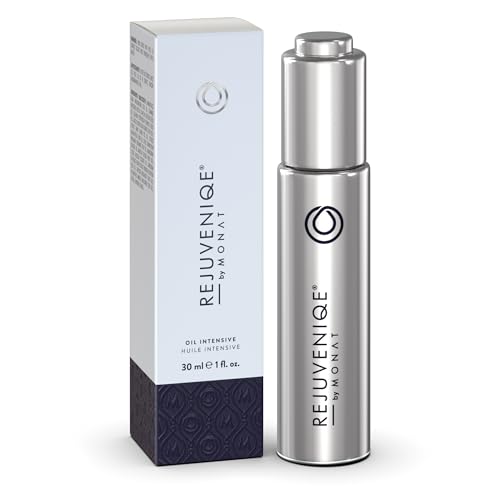
- [PROPRIETARY BLEND]: MONAT REJUVENIQE is comprised of 13+ of the world's most exquisite oils, all sustainably sourced. Abyssinian oil was the first ingredient selected for its
- [NATURAL AND SAFE]: MONAT REJUVENIQE features a naturally-based formula. MONAT's crown jewel is also a key ingredient in many of our products
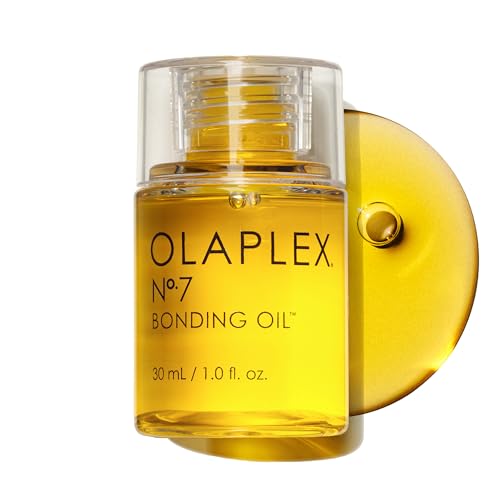
- A highly concentrated, weightless styling oil for every hair type. Just 2-3 drops boost shine and softness instantly, strengthen to reduce breakage, and control frizz and flyaways
- KEY BENEFITS Instantly boosts shine, color vibrancy, and softness Tames frizz and flyaways 450ºF/232ºC heat protection
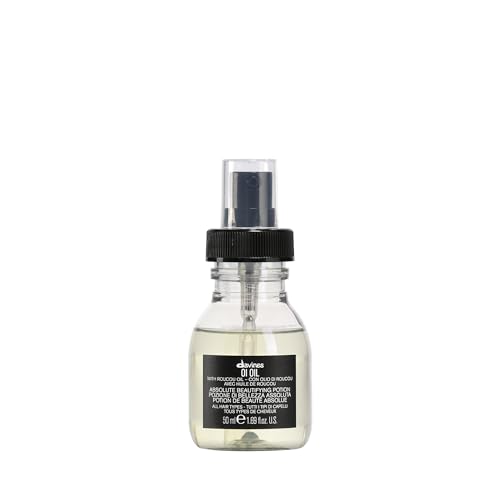
- Adds brilliant shine to
- This product is non-sealed
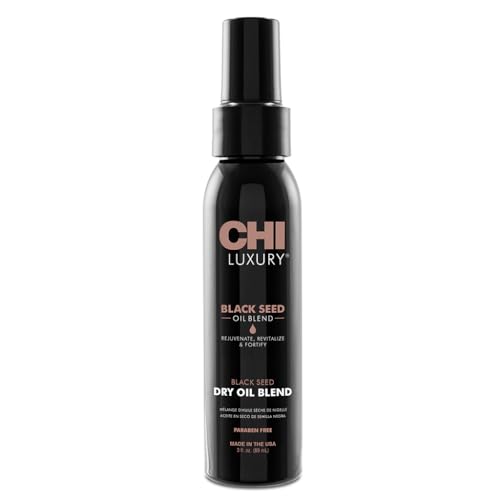
- REVITALIZING & NOURISHING HAIR OIL: This hair oil is a nutrient-rich treatment that revitalizes, fortifies & nourishes hair so it appears strong, thick, smooth, and gloriously
- CHI BLACK SEED OIL: The CHI Black Seed Oil line provides a luxurious haircare experience with the ability to rejuvenate, revitalize & fortify hair. This exotic oil known for its
Luxury Oils to Pair With (or Substitute for) Karinga
Karinga is excellent, but availability fluctuates and many transitioners benefit from rotating two or three oils through the week to address different needs—bond repair, lightweight daily sheen, and heavy overnight nourishment. The five oils below are the ones we keep recommending alongside Karinga for transitioning naturals.
Comparison Table: Best Luxury Oils for Transitioning Natural Hair
| Oil | Best Role in Transition | Weight | Heat Protection | Bond/Repair Focus |
|---|---|---|---|---|
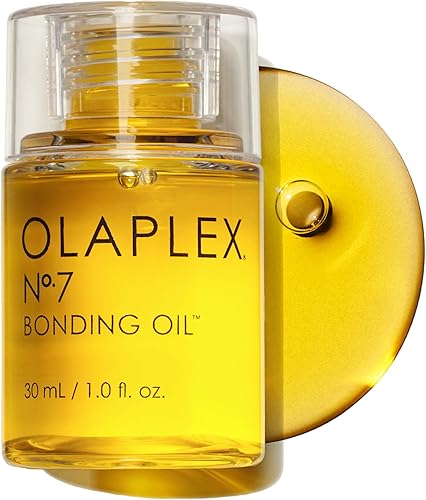
| Olaplex N°.7 Bonding Oil | Daily styling + breakage repair | Medium | Up to 230°C | High (patented bond builder) |
| Rahua Legendary Amazon Hair Oil | Weekly nourishing soak | Medium-rich | Moderate | Plant-based strengthening |
| CHI Luxury Black Seed Oil | Scalp + new growth nourishment | Dry-oil light | Moderate | Antioxidant rich |
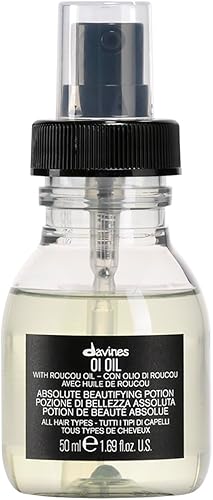
| Davines OI Oil | Daily finisher + detangler | Lightweight | Yes | Roucou-based softening |
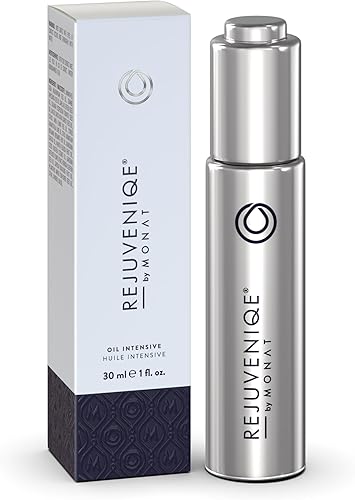
| MONAT REJUVENIQE Oil | Overnight pre-poo soak | Rich | Moderate | 13+ plant oil blend |
For a wider look at how multi-use treatment oils slot into a curly wash day, our guide to the benefits of using treatment oils walks through pre-poo, mid-shaft, and overnight protocols.
The Five-Step 2026 Karinga Transition Ritual
The luxury approach to transitioning is not about a single miracle bottle—it is about layering oils strategically across the week. Here is the framework most natural-hair stylists are recommending in 2026.
- Pre-poo soak (night before wash day): Warm one to two pumps of Karinga between your palms and rake it through dry hair from mid-shaft to ends. Cover with a satin bonnet and sleep on it. The oil pre-saturates the cuticle so the shampoo cannot strip your natural lipids the next morning.
- Detangle in sections: While your conditioner is still in, finger-detangle four to six sections with a dollop of Karinga added directly to the conditioner. Slip is everything at the demarcation line.
- Leave-in seal: After your leave-in cream, smooth a single drop of Karinga over your ends. Skip the scalp if you are prone to buildup.
- Mid-week scalp massage: Two to three times per week, warm a small amount and massage into your scalp for three minutes. This boosts circulation around emerging new growth.
- Heat protection on blowout days: Karinga has a high smoke point and works as a heat buffer up to about 200°C/390°F. Pair it with a lower-temperature blowout to protect both textures.
If you want to refine your timing and pressure, our guide to applying luxury hair treatment oils perfectly breaks down sectioning, pump count, and warming techniques.
Olaplex N°.7 Bonding Oil — Best for Demarcation Line Strength
If your transition has dragged past the 8-month mark, your demarcation line is under increasing stress. Olaplex N°.7 is the gold standard for daily bond support, especially for coily and curly textures—the bottle literally lists those textures first. It is lightweight enough to layer over a Karinga pre-poo without weighing down your wash-and-go, and it adds up to 72 hours of frizz control. Use one to two drops on mid-lengths and ends after your leave-in. Olaplex No.7 Bonding Oil. For a deeper review, see our Olaplex No.7 Bonding Oil review.
Rahua Legendary Amazon Hair Oil — Best Plant-Based Alternative
Rahua shares Karinga's plant-first philosophy and brings ungurahua and morete oils from the Ecuadorian Amazon. It penetrates the cortex of porous transitioning hair beautifully and is ideal for women who want a clean-beauty profile without silicones or synthetic fragrance. Apply two pumps to damp hair before air-drying or use as a hot-oil treatment by warming the bottle in a mug of hot water. Rahua Legendary Amazon Hair Oil.
CHI Luxury Black Seed Oil Blend — Best Affordable Scalp Treatment
Black seed (Nigella sativa) has been used across North and West Africa for centuries to support scalp health and new growth. This dry-oil blend absorbs quickly, making it ideal for mid-week scalp massages when you do not want product residue. Many transitioners use CHI on scalp days and reserve Karinga for ends, which lets each bottle last twice as long. CHI Luxury Black Seed Oil Blend Dry Oil.
Davines OI Oil — Best Daily Finishing Oil
Davines OI Oil is built around roucou seed, an Amazonian botanical packed with beta-carotene. It is one of the few luxury oils that genuinely works on every texture from 1A to 4C, which makes it perfect for the in-between transitioning state where your relaxed lengths and natural roots respond to different products. Use a single pump on damp hair as a leave-in detangler, or a half-pump on dry hair to refresh second-day twist-outs. Davines OI Oil. Our ultimate guide to Davines OI Oil covers every use case in detail.
MONAT REJUVENIQE Oil — Best Overnight Pre-Poo
REJUVENIQE blends thirteen-plus plant and essential oils into a rich, slow-absorbing treatment that is ideal for the dry, dehydrated state most transitioning hair lives in. Use it as a heavy overnight pre-poo the night before wash day, working it from scalp to ends and sleeping in a satin bonnet. By morning, your hair will be soft enough to detangle with your fingers alone. MONAT REJUVENIQE Oil.
Mistakes to Avoid With Karinga Oil During Transition
Even a perfect oil can underperform if you misapply it. The three biggest mistakes we see from transitioners are pouring oil on soaking-wet hair (it slides off and wastes product), applying to the scalp daily without clarifying (hello, buildup and itchy roots), and using oil as a substitute for water-based moisture (oils seal in hydration but do not provide it on their own).
The fix is simple: always moisturize with a water-based leave-in first, then seal with Karinga or your chosen oil. This is the LOC method (liquid, oil, cream) or LCO method, and it is the backbone of every successful transition routine. For a broader look at common pitfalls, browse our breakdown of the mistakes to avoid when buying luxury hair products.
How Long Should You Use Karinga Through a Transition?
A typical relaxer-to-natural transition takes 12 to 24 months depending on hair density and how much length you are willing to sacrifice through trims. Karinga remains useful through every phase, but the way you use it shifts:
- Months 1–6: Focus on the demarcation line. Pre-poo soaks and end-sealing only.
- Months 6–12: Add scalp massages two to three times per week to support visible new growth.
- Months 12+: Use Karinga as a daily finishing oil on twist-outs, braid-outs, and wash-and-gos to define curl pattern.
Frequently Asked Questions
Is Rene Furterer Karinga oil good for 4C natural hair?
Yes. Karinga's baobab and shea blend is dense enough to coat the tight coil pattern of 4C hair without leaving a greasy film. 4C strands have the most cuticle layers and the highest porosity at the ends, so the sealing properties of Karinga are especially useful. Apply to damp, freshly moisturized hair for best absorption.
Can I use Karinga oil on my scalp every day during transition?
Daily scalp application is not recommended unless you also clarify weekly. Most transitioners do best with two to three scalp massages per week. Daily use can lead to product buildup that suffocates emerging new growth follicles. Rotate with a lighter dry oil like CHI Black Seed if you want more frequent scalp treatments.
What is the difference between Karinga oil and a regular hair serum?
Karinga is a treatment oil built on plant lipids that penetrate the cortex, while most hair serums are silicone-based products that coat the surface for instant shine. Treatment oils nourish; serums style. Many transitioners use both in the same routine. Our explainer on the difference between hair serums and treatment oils covers exactly when to reach for each.
Can Karinga oil replace a deep conditioner?
No. Deep conditioners provide water-based moisture and proteins that oils cannot. Use Karinga as an enhancer to your deep conditioning session—add three to five drops directly to your masque, or apply it under heat as a pre-deep-conditioner soak. For chemically processed lengths in transition, weekly deep conditioning is non-negotiable.
Will Karinga oil weigh down fine-textured transitioning hair?
Fine-textured naturals (low density, thin individual strands) should use Karinga sparingly—one drop emulsified between palms is plenty. For fine hair you may prefer pairing Karinga with a lighter daily oil like Davines OI Oil on the lengths, reserving Karinga for once-weekly pre-poo soaks only.
Is Karinga oil safe to use on color-treated transitioning hair?
Yes. The rene furterer karinga oil transitioning natural hair routine is generally color-safe because the oil contains no harsh sulfates or alcohols. However, if you are mid-transition and also color-treated, prioritize bond repair products like Olaplex N°.7 to address the compounded chemical stress on your strands.
What should I do when I am ready for the big chop?
When you finally cut off the last of your processed ends, your routine simplifies dramatically. Continue using Karinga as a scalp massage oil and daily ends-sealer on your freshly natural hair. Many transitioners find their oil consumption drops by half post-chop because newly natural hair retains moisture far better than the previously stressed demarcation line ever did.
Final Thoughts
Karinga has earned its place in the luxury natural-hair canon because it solves the specific problem of dual-texture fragility better than almost any single product on the market. Layer it strategically with bond-repair oils, lighter daily finishers, and rich pre-poo treatments, and you will give your transition the best possible structural support through to your big chop and beyond.
Key Takeaways
- Choosing the right rene furterer karinga oil transitioning natural hair means matching the key features to your specific needs and budget
- Read real customer reviews and check the return policy before you commit
- Also covers: karinga ultimate nourishing oil transitioning
- Also covers: rene furterer for relaxer grow out
- Also covers: luxury oil transitioning to natural
- Compare value across models — the priciest option is not always the best fit