As an Amazon Associate this site earns from qualifying purchases.
Quick answer on virtue healing oil vs act plus chemo regrowth: both are reputable luxury treatments, but neither was formulated specifically for chemotherapy-recovered hair. Virtue Healing Oil leans on its proprietary Alpha Keratin 60ku protein to smooth and seal the new, fragile cuticle, while Act+ Acre's Restorative Hair Oil uses cold-processed plant oils (squalane, marula, broccoli seed) to soften without weighing chemo curls down. For most people regrowing hair after chemo, Act+ Acre is the gentler, lighter, fragrance-minimal choice in the first 6–12 months, while Virtue Healing Oil suits later-stage regrowth that has reached shoulder length and started to show frizz, dryness, or breakage at the ends.
Why this comparison matters for chemo regrowth
Chemotherapy-induced alopecia changes hair at the follicle. When it grows back, the texture is often different (curlier, finer, slower-growing), the cuticle is immature, and the scalp may still be sensitive from treatment, radiation, or cooling caps. That means a serum that worked beautifully on your pre-cancer hair may sting, feel heavy, or smother delicate new strands. The honest framing of virtue healing oil vs act plus chemo regrowth is not “which is better,” but “which is safer for the stage of regrowth you are in,” and whether a more targeted scalp peptide serum belongs in your routine alongside (or instead of) a luxury oil.
Always run any new topical past your oncologist or dermatologist, especially in the first 90 days after your last infusion. Avoid essential oils, strong fragrance, and minoxidil unless your medical team has cleared them.
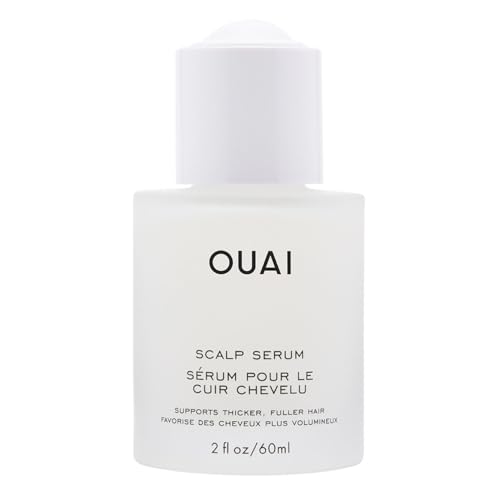
- Healthy Hair Starts with the Scalp - OUAI's new skin care-inspired serum is unlike other hair care because it gets to the root of healthy hair. This scalp oil supports thicker
- This is the OUAI to Grow - The combination of hyaluronic acid with nourishing Adaptogens like Arctic Root, Siberian Ginseng, and Chaga Mushroom delivers powerful hydration to a
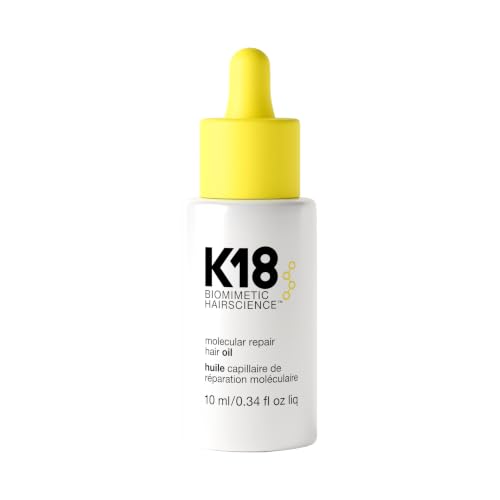
- Dual-Action Frizz Control System: The perfect hair oil for frizzy hair, it targets frizz at two levels by reversing damage within the hair fiber and smoothing the cuticle surface
- Biotech-Engineered Oil for Hair: Clinically proven to repair damaged hair*, our patented K18PEPTIDE formula works at the innermost layer of hair to strengthen and reverse damage
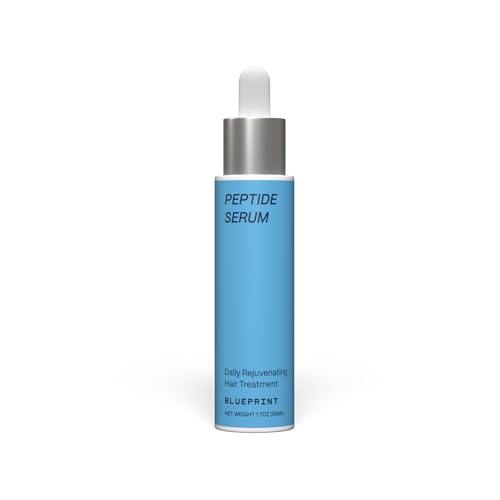
- Advanced 8-Peptide Complex – Designed by experts, peptides delivered through nanoliposomes help revitalize the scalp environment and visibly improve density, thickness, and
- Caffeine & Curcumin Powered – Invigorating blend supports circulation and targets scalp health for the appearance of stronger, fuller hair without irritation or heavy residue left
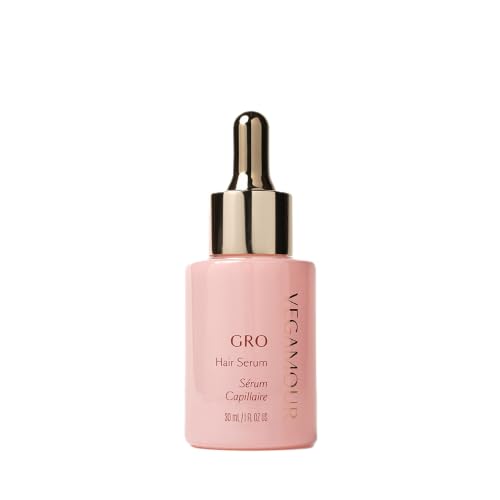
- LESS SHEDDING, MORE FULLNESS — Designed to help reduce hair shedding and support fuller-looking, healthier-looking hair with consistent daily use
- LIGHTWEIGHT, NEVER GREASY — A fast-absorbing, non-oily formula that layers into your routine without weighing hair down or leaving residue behind
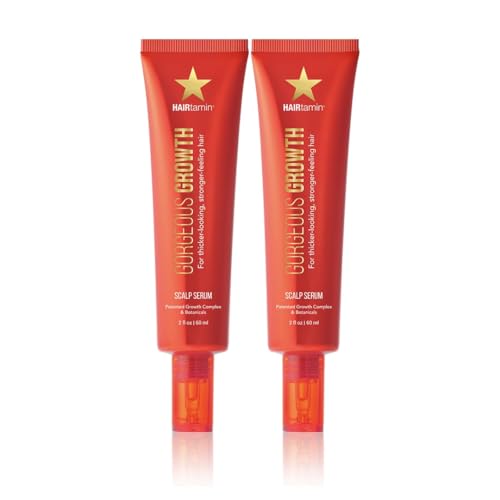
- CLEAN, PLANT-BASED INGREDIENTS: HAIRtamin Scalp Serum is formulated with a patented Complex clinically-proven to help nourishe and hydrate a dry, itchy scalp. Our hair serum is
- GET THICKER LOOKING HAIR: A multi-tasking stimulating scalp serum formulated with a patented Complex clinically proven and promotes scalp health and stronger-looking hair. Our
Virtue Healing Oil vs Act Plus chemo regrowth at a glance
| Factor | Virtue Healing Oil | Act+ Acre Restorative Hair Oil |
|---|---|---|
| Hero ingredient | Alpha Keratin 60ku | Cold-pressed squalane, marula, broccoli seed |
| Fragrance | Floral-citrus | Fragrance-free / minimal |
| Silicones | Yes (dimethicone family) | No |
| Best regrowth stage | 4–6+ inches, post-recovery | 0–6 inches, sensitive scalp phase |
| Strengthens cuticle | Yes — protein binding | No — cosmetic softening only |
| Scalp-safe | Avoid on scalp | Tolerated by most |
| Approx. price (1–1.7 oz) | $40–48 | $42–52 |
Virtue Healing Oil: what it does well, where it falls short
Virtue's Healing Oil is built around Alpha Keratin 60ku, a human-identical keratin protein that binds to damaged areas of the cuticle. On chemo regrowth, the strength play is real: as your new hair pushes past two or three inches, the older portion (the part of the strand that has now been exposed to sun, towels, pillows, and detangling) is the most fragile, and a keratin-binding oil can genuinely reduce mid-shaft breakage.
The trade-offs are weight, scent, and silicones. The formula includes silicones for slip and a noticeable floral-citrus fragrance, both of which can irritate post-chemo scalps and overwhelm fine, baby-soft regrowth. Most oncology aestheticians suggest waiting until you have at least 4–6 inches of growth and your scalp tolerates light leave-in products before using Virtue Healing Oil, and applying it strictly mid-length to ends.
Act+ Acre Restorative Hair Oil: what it does well, where it falls short
Act+ Acre's Restorative Hair Oil takes the opposite approach: a short, cold-processed ingredient list led by squalane, marula, and broccoli seed oil, with no synthetic fragrance and no silicones. For freshly regrown hair, that minimalism is the point. It is light enough to use on the scalp's perimeter and the most delicate strands without weighing them flat, and the fragrance-free profile is friendlier to anyone still in active treatment or recovery.
What it does not do is rebuild structural damage. There is no keratin, no bond-builder peptide, no protein. If your regrowth is already past your collarbone and you are battling split ends from heat styling, Act+ Acre will soften and seal cosmetically but will not deliver the strengthening hit that Virtue's keratin chemistry provides.
The honest verdict on virtue healing oil vs act plus chemo regrowth
If you are in the first 6–12 months of regrowth, Act+ Acre is the safer pick: lighter, fragrance-free, and unlikely to flatten the soft new texture. If you are 12–18+ months out and your hair has reached the length where ends are visibly drier than mid-shaft, Virtue Healing Oil offers a strengthening benefit that Act+ Acre cannot match. Many oncology aestheticians actually recommend layering: a peptide or growth-supporting scalp serum on the roots, plus a lightweight oil on the ends only, rather than relying on a single product to do everything.
Better-targeted picks for chemo regrowth (peptides, scalp serums, and gentler oils)
Below are the products we recommend most often for clients navigating post-chemotherapy regrowth. They are not replacements for medical care, but they pair well with what your oncology team has approved. For a broader framework, see our guide to luxury hair serums for damaged hair and our advice on matching a serum to your hair type.
Blueprint Bryan Johnson Hair Peptide Serum — best fragrance-free peptide scalp treatment
This is the closest thing on the market to a chemo-regrowth-friendly peptide serum: fragrance-free, alcohol-light, and built around an 8-peptide blend with caffeine and curcumin. The leave-in delivery means you can apply it daily without rinsing, which matters when scalp tenderness limits how often you can wash. We use it as the foundation step for clients in months 3–12 of regrowth, then layer a sealing oil on the ends only. Blueprint Bryan Johnson Hair Peptide Serum.
VEGAMOUR GRO Hair Serum — best non-oily option for sensitive scalps
VEGAMOUR's hero serum is plant-based, non-oily, and vegan, with a light bergamot scent that most people tolerate (patch test first). Because it does not contain minoxidil, it can be used alongside other oncology-cleared treatments without compounding side effects. The non-greasy finish makes it practical for women still wearing wigs, scarves, or cooling caps part-time. VEGAMOUR GRO Hair Serum for Hair Thinning & Shedding.
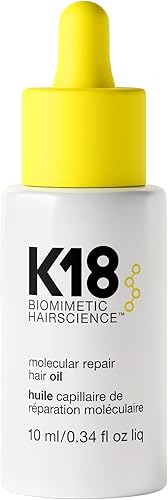
K18 Molecular Repair Hair Oil — best strengthening oil once length returns
Once your regrowth crosses the shoulder line, breakage at the mid-shaft and ends becomes the dominant problem. K18's peptide-based oil is one of the few products that genuinely helps repair structural damage at that stage, and it is light enough (0.34 fl oz goes a long way) that it will not flatten still-fine regrowth. Apply two drops to damp ends only — never the scalp. K18 Molecular Repair Hair Oil.
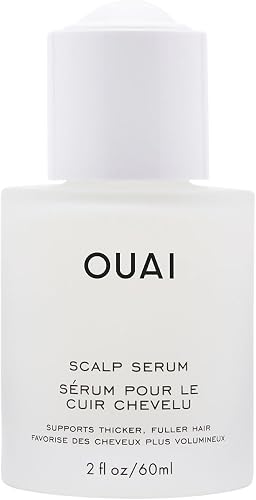
OUAI Scalp Serum — best balancing serum for itchy regrowth
Post-chemo scalps often swing between dry-tight and oddly oily as oil glands recalibrate. OUAI's scalp serum uses red clover extract, Siberian ginseng, and peptides to balance the scalp barrier without stripping it, and its dropper makes precise placement easy when you are working with patchy regrowth. Paraben, phthalate, and sulfate free. OUAI Scalp Serum.
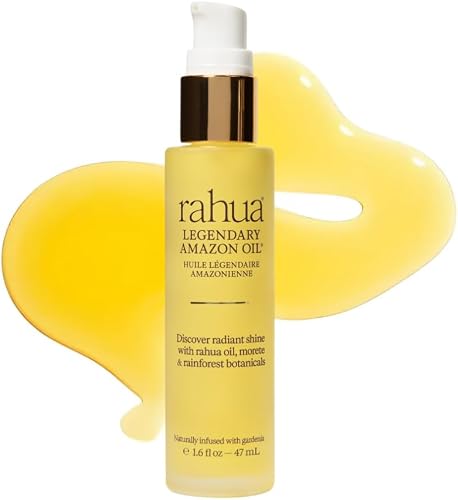
Rahua Legendary Amazon Hair Oil — best ultra-clean sealing oil
If you want a single luxury oil that is closer in philosophy to Act+ Acre but with a slightly richer feel, Rahua's Legendary Amazon Hair Oil is the cleanest pick on this list. The Amazonian oil blend (ungurahua, sacha inchi, palo santo) is plant-based, sulfate-free, and pleasantly aromatic without synthetic fragrance. Use it sparingly on ends only — one drop is usually enough on early regrowth. Rahua Legendary Amazon Hair Oil.
HAIRtamin Scalp Serum — best two-pack value for daily ritual
Daily consistency matters more than any single application during regrowth. HAIRtamin's scalp serum comes in a two-pack, which makes it easy to keep one bottle by the sink and one in your travel bag, and the formula targets scalp nourishment without heavy oils. It pairs well with the Blueprint peptide serum above if you want a morning/evening split. HAIRtamin Scalp Serum.
How to use a luxury oil safely on post-chemo hair
Three rules cover most situations. First, patch test on the inside of your forearm for 48 hours before applying anything new to your scalp. Second, apply oils to damp hair, not bone-dry hair — emulsifying with water spreads the product more evenly and dramatically reduces how much you need. Third, keep oils off the scalp during active treatment unless the product is specifically formulated as a scalp serum and your oncologist has approved it; sealing the follicle opening with a heavy oil can trap bacteria and trigger folliculitis on already-compromised skin.
If you are also color-treating your regrowth (many people lean into temporary tints or gloss treatments as hair returns), see our guide to serums for color-treated hair for safer pairings.
Frequently Asked Questions
Is Virtue Healing Oil safe to use during chemotherapy?
Most oncology aestheticians advise waiting until at least 30–60 days after your final infusion before using Virtue Healing Oil. The fragrance and silicone content can irritate skin that is still hypersensitive from treatment, and there is no clinical data on keratin protein interactions with active chemo agents. If your medical team approves, apply mid-length to ends only and skip the scalp entirely.
How long after chemo can I start using treatment oils on regrowth?
A common guideline is to wait until you have at least one inch of regrowth (usually 2–3 months post-final infusion) and your scalp is no longer flaky, tender, or pink. Start with the gentlest fragrance-free options — squalane-led oils like Act+ Acre or a peptide scalp serum like Blueprint — rather than richer formulas. Add strengthening oils like Virtue or K18 only once your hair reaches 4–6 inches.
Will Act+ Acre Restorative Hair Oil actually help hair grow back faster?
No topical oil, including Act+ Acre, has been clinically shown to accelerate the rate of regrowth after chemotherapy. What a clean, fragrance-light oil can do is reduce mechanical breakage of the new strands you do grow, so the length you gain stays on your head instead of snapping off. For follicle-level support, talk to your dermatologist about FDA-approved options like minoxidil or low-level laser therapy.
What is the difference between a healing oil and a restorative oil?
The terms are largely marketing. “Healing” typically signals a protein or peptide focus (Virtue, K18), while “restorative” usually points to lipid-replenishing plant oils (Act+ Acre, Rahua). For a deeper breakdown, see our guide to the difference between hair serums and treatment oils.
Can I use Virtue Healing Oil on a cold cap regrowth scalp?
Scalps that endured cold capping during infusion often stay sensitized for months. Keep Virtue Healing Oil off the scalp entirely in that case and apply only to the mid-length and ends of any hair you retained. A fragrance-free peptide scalp serum is a safer first product for the scalp itself.
Should I use a peptide serum and a luxury oil together?
Yes, this is actually the most common protocol we recommend. Apply a peptide scalp serum (Blueprint, OUAI, or HAIRtamin) to a clean, dry scalp in the morning, then use a small amount of luxury oil (Act+ Acre, Rahua, or K18) on damp mid-lengths and ends after washing. The two products target different problems and do not compete for absorption.
Is Virtue Healing Oil or Act+ Acre worth the price tag for chemo regrowth?
Honestly, neither is the highest-value choice if your only goal is chemo regrowth support. A fragrance-free peptide scalp serum plus a small bottle of K18 or Rahua oil covers more ground for similar money. Save the Virtue or Act+ Acre bottle for when your hair is fully back and you want a daily luxury finishing oil.
Where can I read your full editorial standards?
See our editorial policy for how we test and rank products, and our affiliate disclosure for how we earn commissions from Amazon links.
Key Takeaways
- Choosing the right virtue healing oil vs act plus chemo regrowth means matching the key features to your specific needs and budget
- Read real customer reviews and check the return policy before you commit
- Also covers: virtue healing oil chemo hair
- Also covers: luxury oil post chemotherapy regrowth
- Also covers: virtue vs act plus chemo recovery
- Compare value across models — the priciest option is not always the best fit